Last updated November 25, 2026
Free roof inspection with deck photos before we talk money - GAF and Owens Corning certified installation
Roofing Permits, Codes & Inspections in Folsom, CA: What You Need to Know
Here’s the part of a roof replacement that surprises more Folsom homeowners than any material decision: the permit. Most people assume a roofing permit is paperwork, a formality their contractor handles in the background. In Folsom, it’s often the deciding factor in whether a finished roof passes or gets red-tagged. The reason is jurisdiction. Depending on where your address sits, your project can fall under the City of Folsom, El Dorado County, or Sacramento County, and the fire hazard rules that come with each can differ sharply. A contractor who pulls the wrong permit, or skips the wildfire zone review entirely, can leave you paying for a tear-off you didn’t need. This guide walks through how to figure out which rules apply to your address, what Title 24 asks of a roof replacement, when cool roof ratings become mandatory, what the real permit timeline looks like, and what inspectors actually check. Read it before you sign anything.
Quick Answer
Roofing permits in Folsom are issued by whichever jurisdiction your property sits in – the City of Folsom Building Department, El Dorado County, or Sacramento County – and a full reroof almost always requires one. California’s Title 24 energy code governs cool roof requirements on replacements, and if your address falls in a mapped Wildland-Urban Interface fire zone, the materials you can install may be restricted beyond standard building code. Inspection happens after the work is complete, and the most common failures trace back to permit scope, material documentation, and fire-zone compliance rather than installation quality.
Styles & brands we work with
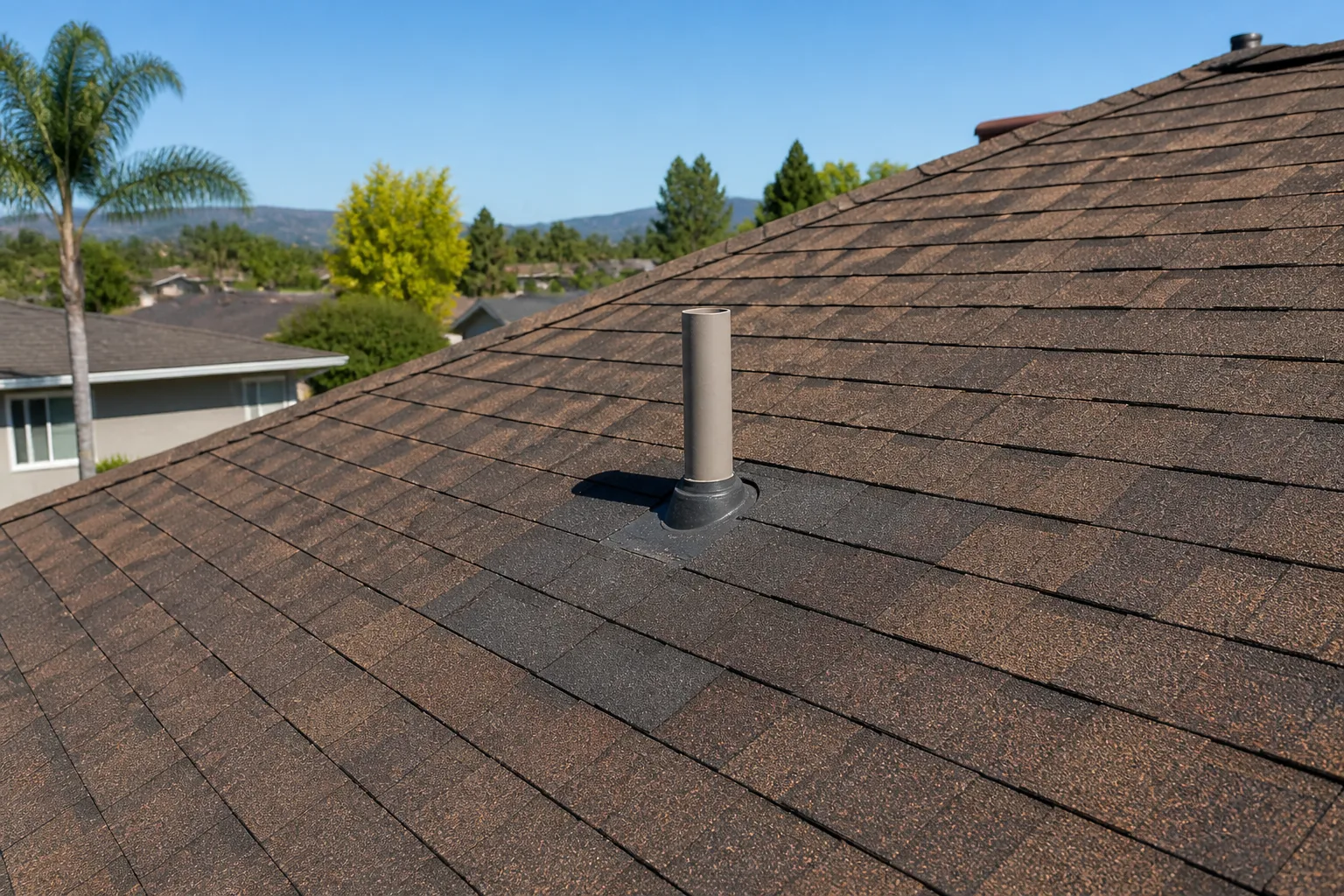
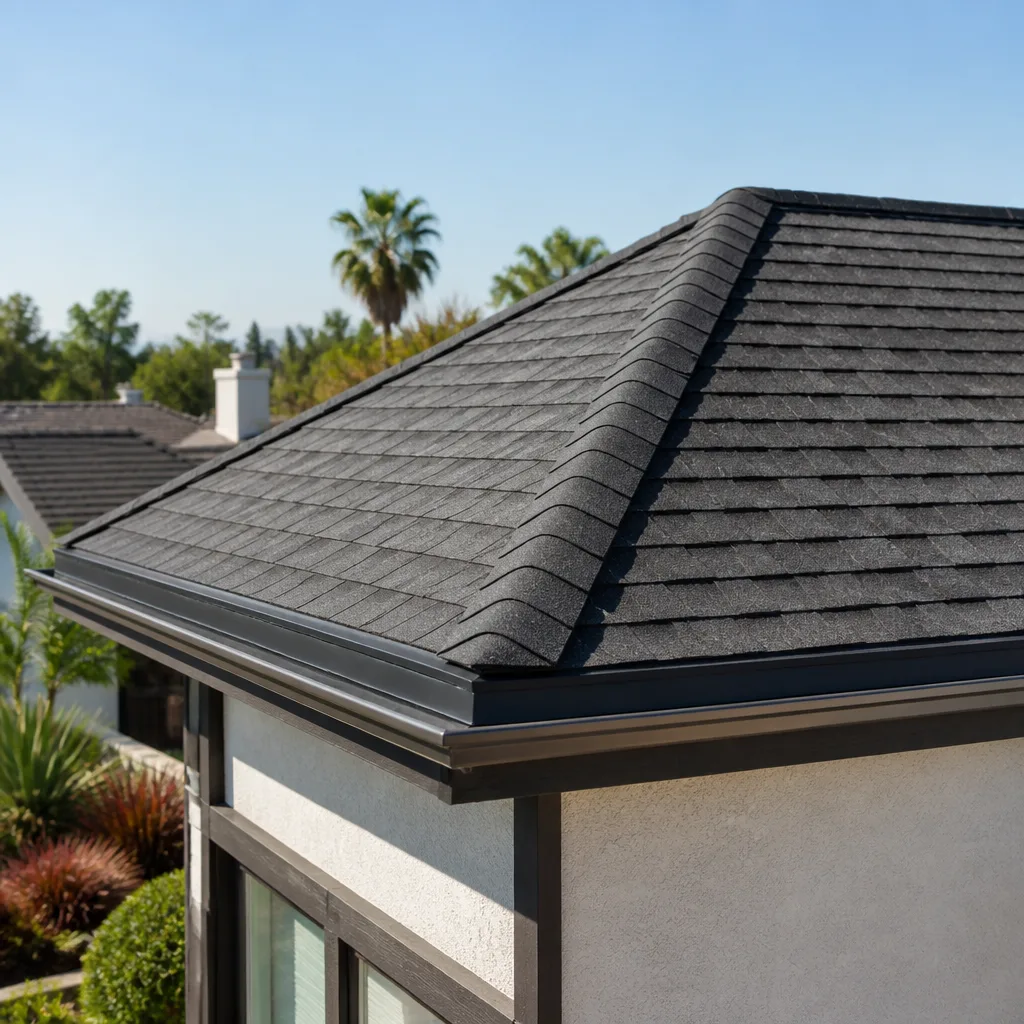
- Architectural shingles
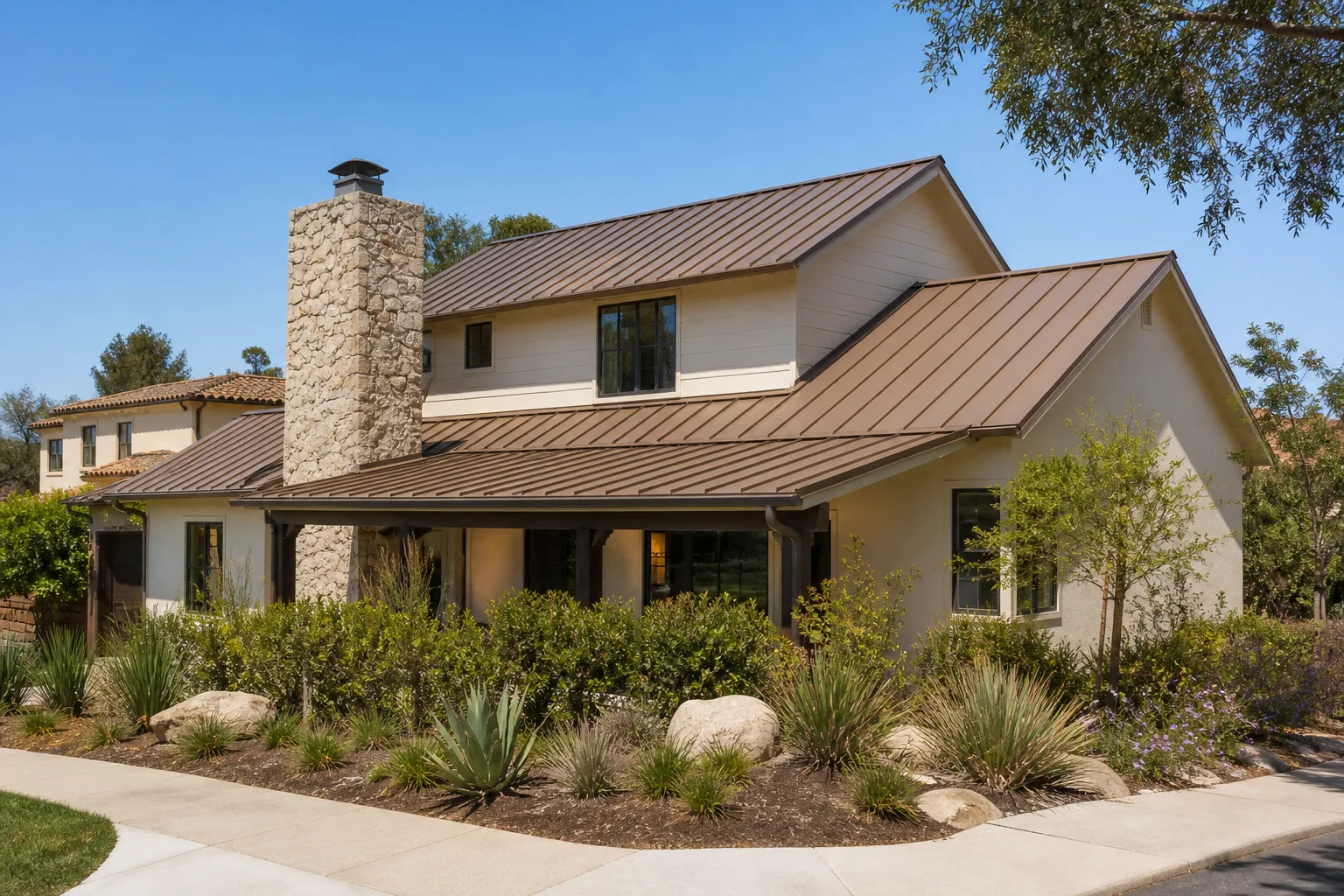
- Metal roofing
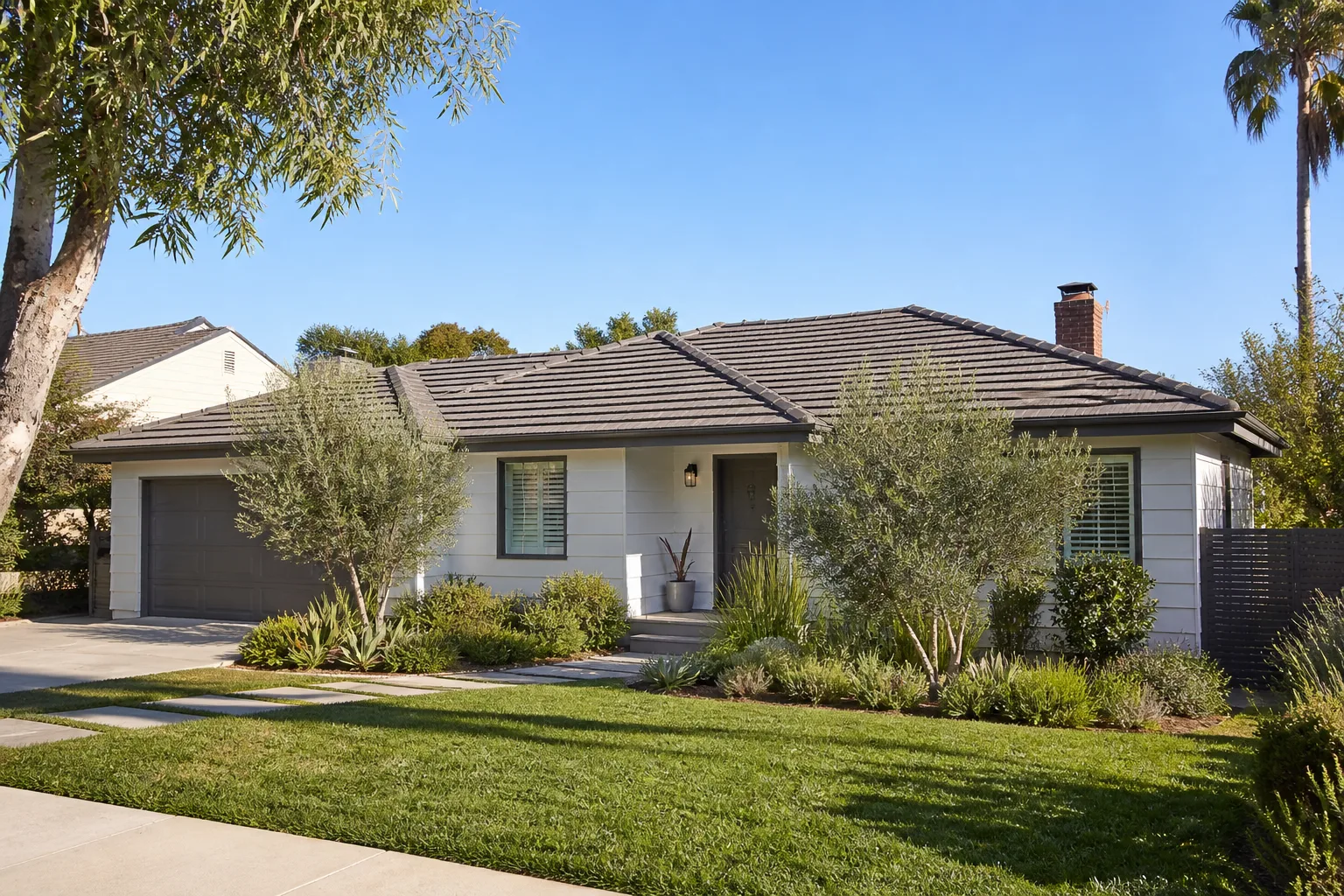
- Tile roofing
- GAF
- Owens Corning
- Flat & low-slope
Table of Contents
- Which Jurisdiction Governs Your Folsom Roof?
- What Title 24 Requires for Roof Replacements
- WUI Fire Zones and Compliant Roofing Materials
- The Real Permit Timeline in Folsom
- What Happens During a Folsom Roofing Inspection
- The Most Common Inspection Failures
- Questions to Ask Before You Hire
- Common Mistakes to Avoid
Which Jurisdiction Governs Your Folsom Roof?
Start here, because everything else follows from it. Folsom is one of those California cities where the municipal boundary and the county line don’t line up neatly with what people assume. Some properties carry a Folsom mailing address but sit outside city limits, in unincorporated El Dorado County. Others fall into Sacramento County. The permitting authority follows the property’s legal location, not the postmark on your mail.
That distinction matters most for fire hazard rules. El Dorado County administers its own wildland fire safety standards for properties in designated fire hazard severity zones, and those standards can impose material requirements that the City of Folsom’s building code does not. A roof that’s fully compliant under city rules may not satisfy county fire-zone requirements if the address is actually in unincorporated county territory. Getting this wrong is the single most expensive permit mistake we see.
Here’s how to pin down your jurisdiction:
- Check your property tax bill. The tax roll identifies the assessing county and often the tax rate area, which points to city versus unincorporated status.
- Look up the parcel on the county assessor’s map. Sacramento and El Dorado County both maintain parcel viewers that show the legal boundary.
- Call the City of Folsom Building Department directly. Give them the address and ask whether the property is inside city limits, and which department issues the roofing permit.
- Ask about fire hazard severity zone status. If the parcel is in a mapped zone, the county fire authority may need to review the roofing material before a permit is issued.
- Get the answer in writing. A permit application number or a written confirmation from the department is worth keeping with your project file.
If your project needs a full replacement, our roof replacement page covers the material side of the same decision. But jurisdiction comes first – no material choice matters if the permit is filed under the wrong code authority.
What Title 24 Requires for Roof Replacements
California’s Title 24 energy code applies to roof replacements across all three jurisdictions that touch Folsom, and it’s where a lot of homeowners get surprised. The code treats a reroof as an energy-relevant alteration in certain circumstances, and the biggest single requirement is the cool roof standard.
Cool roof requirements apply when you’re replacing the roof covering on a conditioned space, and whether they trigger depends on a few factors: the slope of the roof, whether you’re removing the existing material down to the deck or installing over it, and what climate zone the property sits in. Folsom’s climate zone is one where cool roof ratings are commonly required on steep-slope replacements, so a standard asphalt shingle with a poor solar reflectance index may not satisfy the code on its own. Products with a qualifying cool roof rating do. Several of the manufacturer lines we install, including GAF and CertainTeed, carry cool roof rated products designed to meet California requirements, which lets you stay within a familiar shingle system and still pass the energy review.
A few practical points worth knowing:
- The rating is product-specific, not brand-wide. Two shingles from the same manufacturer can have different ratings. The permit application typically requires the specific product data sheet.
- Overlays and tear-offs can be treated differently. Removing the old roof to the deck opens up options an overlay may not.
- Tile and metal have their own compliance paths. Boral tile products and metal systems each have their own rated profiles that can satisfy the code, which is one reason material choice and code compliance are best decided together.
- The contractor files the documentation. Your role is to make sure the product they’re proposing has the documentation to back the claim.
When we build an estimate, we list the specific product and its compliance basis so you can see exactly what’s being permitted. That saves the back-and-forth at the counter.
WUI Fire Zones and Compliant Roofing Materials
Folsom sits at the edge of the wildland, and that geography shapes the code. Properties in designated Wildland-Urban Interface zones face fire hazard requirements that go beyond standard building code, and those requirements are the reason a material that’s fine on one Folsom street may not be approvable on another.
The rules work in two layers. The state fire code and the county fire authority map fire hazard severity zones, and within those zones, roofing assemblies must meet a fire classification. In practical terms, that means the roof covering you install has to carry the fire rating the zone requires, and the assembly has to be documented. Where the county administers the zone, the county fire authority reviews the material as part of the permit. Where the city administers the same property, the city applies its own code – which is where the split causes confusion.
What this means for material choice:
- Class A fire-rated assemblies are the baseline most residential roofing products in this market can meet, but the specific product has to be documented as part of the approved assembly.
- Tile roofs are naturally well-suited to WUI requirements. Clay and concrete tile carry inherent fire resistance, and Boral tile systems are a common choice for properties where the fire rating is a priority.
- Metal roofing also performs well where fire zone rules apply, and gives homeowners a modern profile alongside the fire performance.
- Not every shingle qualifies on every parcel. A Class A rated shingle assembly meets the fire requirement where the standard applies, but the exact product matters to the inspector.
The safest approach is to confirm the fire zone status of your parcel first, then select a material that fits both the zone and your budget. That’s the order that avoids a red tag. Our shingle roofing page and our tile and metal options are all built around this sequence.
The Real Permit Timeline in Folsom
What homeowners are usually told: the permit takes a week or two. What actually happens: the timeline depends on jurisdiction, completeness of the application, and whether fire zone review is triggered. Here’s a realistic picture.
For a straightforward City of Folsom residential reroof application, assuming the plans are complete on first submission, typical processing runs a matter of weeks from submittal to permit issuance. If the submittal requires corrections, the clock restarts on each cycle. That means the difference between a clean submission and one with missing product documentation isn’t days – it’s weeks.
Where El Dorado County fire zone review applies, add a review step through the county fire authority before the permit can issue. That review is where incomplete material documentation most often stalls a project.
A workable sequence looks like this:
- Confirm jurisdiction and fire zone status – one call, done first.
- Select a compliant material and gather the product data sheets – title 24 and fire rating documentation for the specific product.
- Submit the permit application with plans, product documentation, and the correct jurisdiction identified.
- Respond to any correction notices in a single revision cycle – plan for one round and try not to need two.
- Schedule installation after the permit is issued, not before.
- Schedule the inspection once the work is complete and the contractor has closed out the permit.
Plan your project around the permit, not the other way around. Because we specialize exclusively in replacement and new roof work, we know what each jurisdiction wants to see and submit complete packages the first time.
What Happens During a Folsom Roofing Inspection
When the installation is finished, the building inspector arrives to verify the work matches the permit. This isn’t a quality-control walk by the contractor – it’s a code compliance check, and it’s specific. The inspector compares what’s on the roof to what was approved: the material, the assembly, the fire rating, the cool roof documentation if applicable, and the overall condition of the completed system.
The order of the inspection matters. The inspector typically reviews:
- Material and product match to the permit application – exact manufacturer and product line.
- Fire rating documentation for properties in a designated fire zone.
- Cool roof compliance where the energy code applies to the replacement.
- Overall workmanship observations – fasteners, flashing at penetrations, ridge and edge details, and the finished surface.
- Permit closure – the permit is signed off and the record closes.
Most inspections pass on the first visit when the permit was filed correctly and the material matches the documentation. The failures we see trace back to the permit, not the roof: wrong jurisdiction, missing fire zone review, or a substituted material that wasn’t documented. Where the installation itself is sound, an inspection is usually a short visit. If you’re building from the ground up and want the sequence planned from the start, our new roof installation page lays out how permitting fits into a new build.
The Most Common Inspection Failures
Knowing the common failure points helps you ask your contractor the right questions before a single shingle is installed.
- Wrong jurisdiction on the permit. The permit was pulled through the City of Folsom when the property is actually in El Dorado County, or the reverse. This is the most expensive failure because the correction can require a second review cycle or a new permit entirely.
- Missing WUI fire zone review. A property in a mapped fire hazard severity zone had no county fire authority review of the roofing material before installation.
- Material substitution without documentation. The product installed differs from the product named on the permit, and no revised data sheet was filed.
- Cool roof rating not documented. The product may qualify, but the permit package didn’t include the specific data sheet tying the product to the compliance requirement.
- Work started before the permit issued. Installation began before the permit was in hand, which turns a routine inspection into a stop-work situation.
- Incomplete permit closure. The work is done but the permit was never formally closed out, leaving a cloud on the property record.
- Assembly mismatch. The component materials don’t add up to the fire-rated assembly the permit specified, which the inspector will catch.
None of these are installation failures. Every one of them is a paperwork and jurisdiction failure, which is why the permit side of the project deserves as much attention as the material side.
Questions to Ask Before You Hire
The right questions at the estimate stage will reveal whether a contractor understands Folsom’s split jurisdiction before the project starts. Ask these, and listen carefully to the answers.
- “Which jurisdiction will you pull this permit under, and how did you confirm it?” A good answer names a specific department and explains the verification step. A vague answer means you’re about to pay for their learning curve.
- “Is my parcel in a mapped fire hazard severity zone?” If they don’t know the answer, they haven’t done the homework. This question determines eligibility for many materials.
- “What product are you proposing, and what documentation comes with it?” Look for the specific product line and the fire rating and cool roof documentation to match.
- “Does the permit fee sit in your written estimate, or is it billed later?” Get the permit cost into the line-item estimate so there are no surprises.
- “Will you close out the permit and schedule the inspection?” The project isn’t finished until the permit is signed off.
- “What happens if the inspector requires a correction?” Understand who owns the fix and who pays for it before you sign.
When you ask for a free estimate in Folsom, Folsom Roofing Pros builds a written line-item quote with the permit scope and product documentation included. We’ve seen enough projects through the counter to know what each department wants. Our technicians have up to 10 years of experience, and we work across GAF, CertainTeed, Owens Corning, IKO, Atlas, Tamko, and Boral – so the material recommendation is driven by your address and your budget, not by inventory. Call (279) 321-0981 to start the conversation. We answer 24/7, and fast dispatch runs from 7am to 7pm, Sunday through Friday.
The Bottom Line
The roof itself is the visible part, but the permit is what decides whether the job closes cleanly. On this page we’ve covered the three things that cause almost every Folsom roofing permit problem: identifying whether your property sits in city or county jurisdiction, applying California Title 24 cool roof requirements to the specific product, and confirming WUI fire zone status before selecting a material. Plan the timeline realistically – weeks, not days – and treat the inspection as a compliance check that rewards a complete permit package. Every one of these steps is easier to get right before the roof goes on. When you’re ready to price your project, Folsom Roofing Pros offers free estimates across the material systems we install.
See the difference
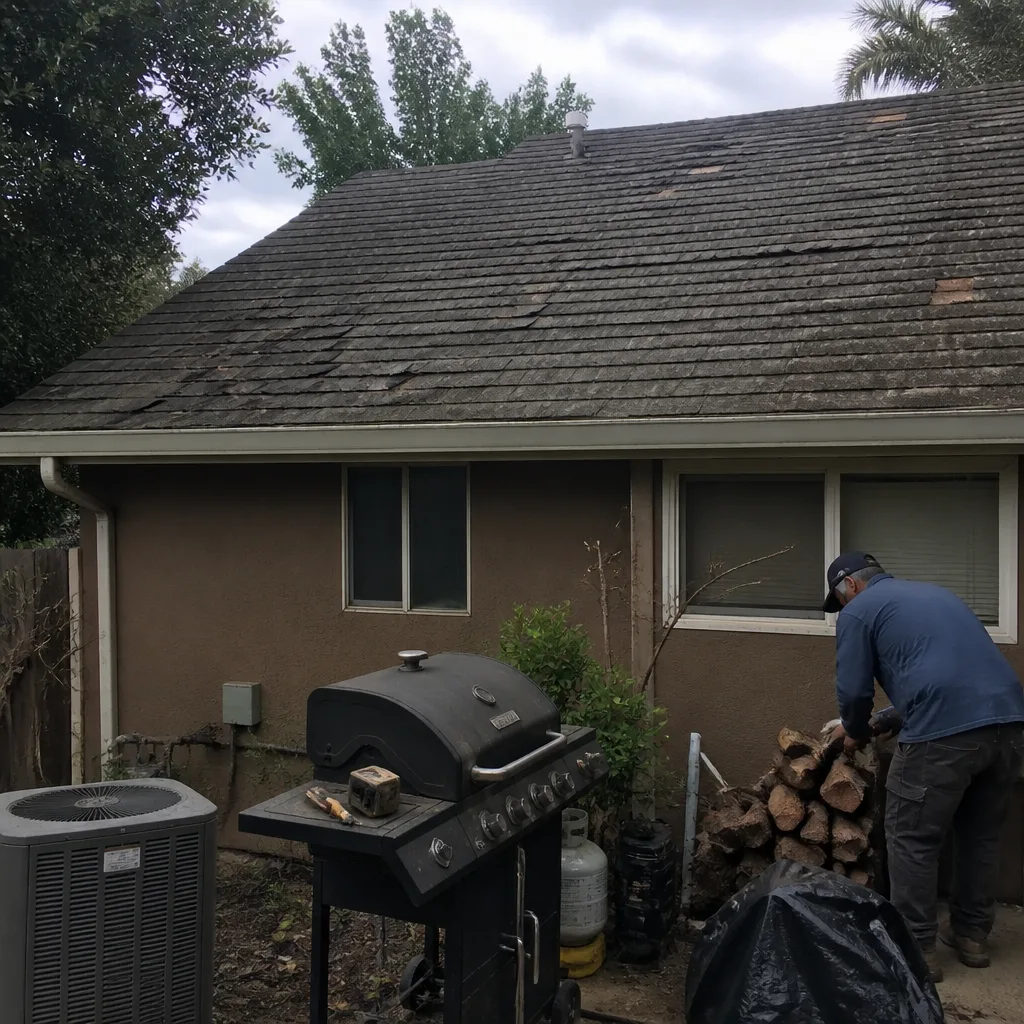 Before
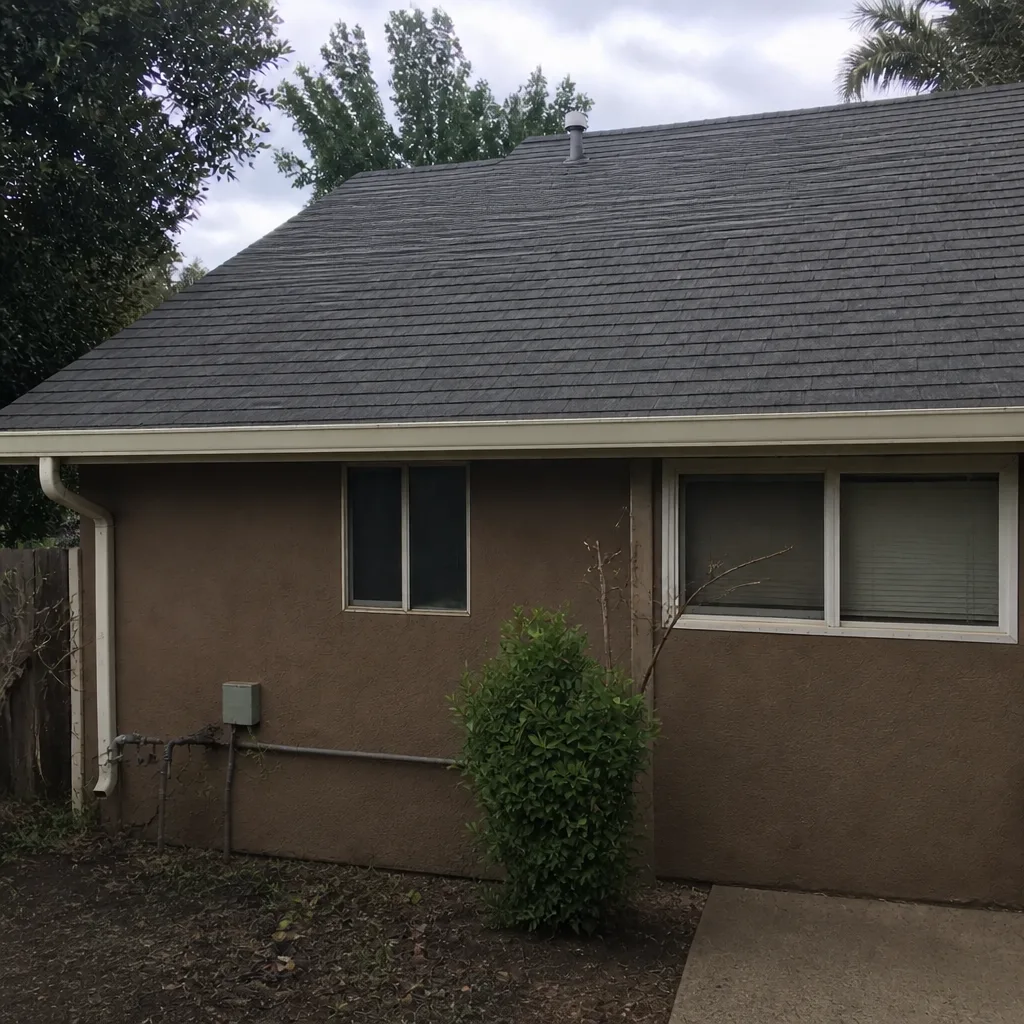 After
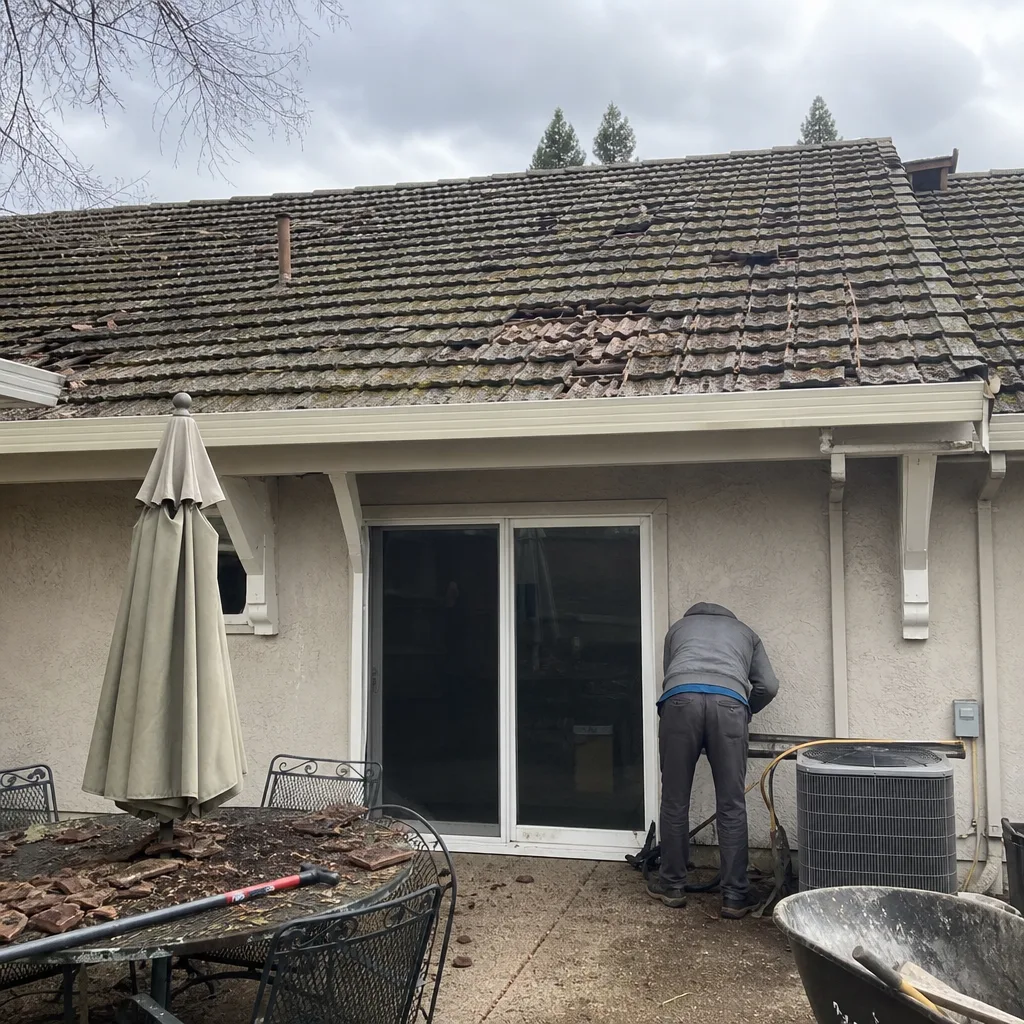 Before
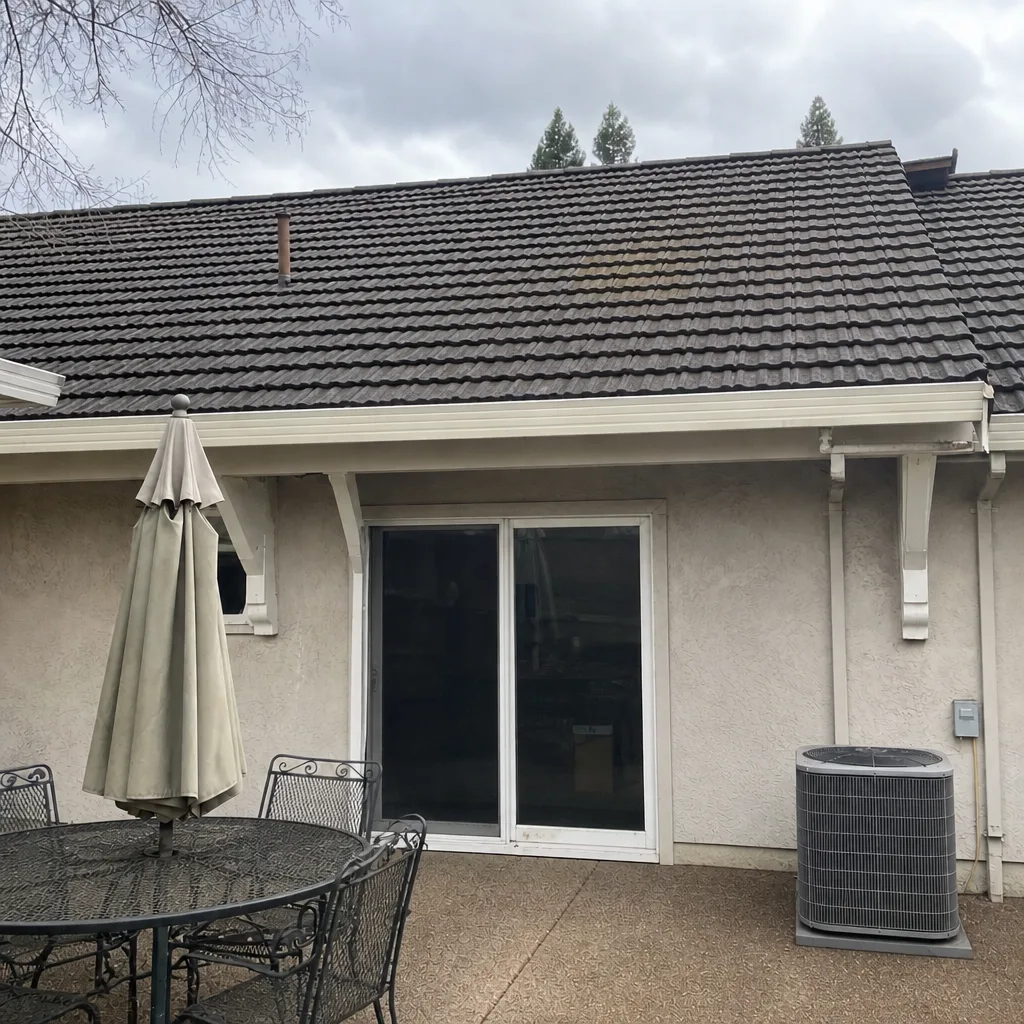 After
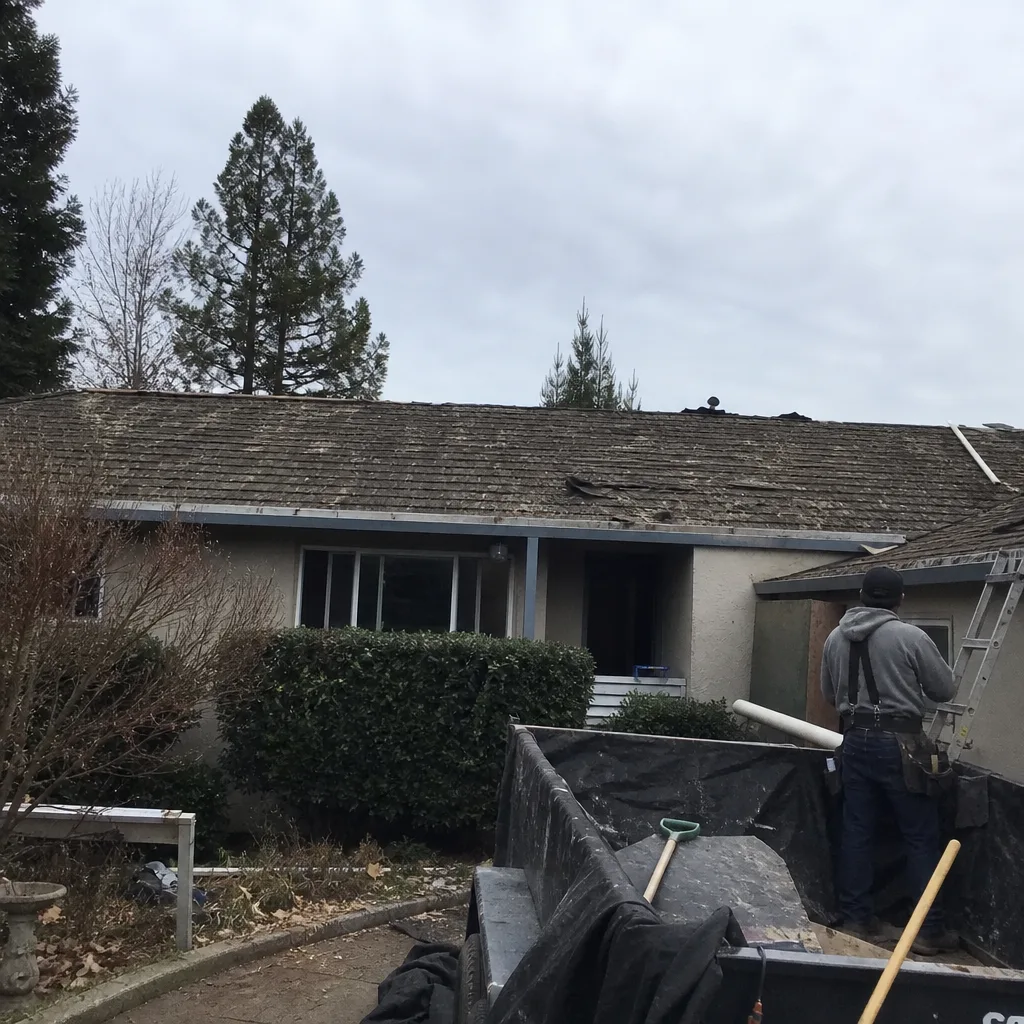 Before
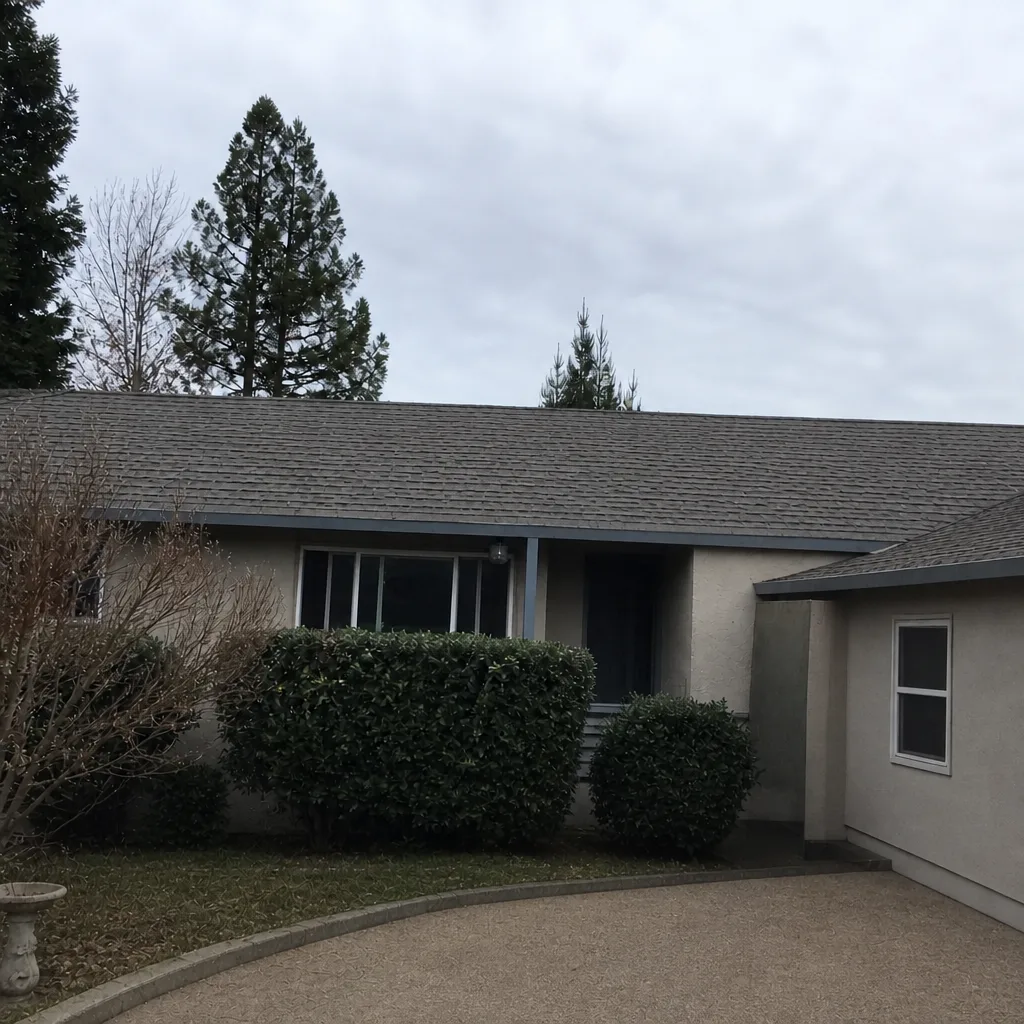 After
Frequently Asked Questions
Yes, a full roof replacement in Folsom almost always requires a permit from the jurisdiction that governs your property – the City of Folsom, El Dorado County, or Sacramento County. The permit application includes the specific product, the fire rating documentation, and cool roof compliance where Title 24 applies. Call (279) 321-0981 for an exact quote – estimates are free.
Your property tax bill and the county assessor’s parcel viewer will tell you, and you can confirm with the City of Folsom Building Department by giving them the address. A Folsom mailing address does not always mean the property is inside city limits. Get the jurisdiction confirmed in writing before you sign a contract.
WUI stands for Wildland-Urban Interface, and it’s a mapped zone of wildland fire exposure where fire hazard severity rules apply to roofing materials. Some Folsom-area parcels in El Dorado County sit in these zones and require county fire authority review of the roofing material. Ask the county or city to confirm your parcel’s zone status before you choose a material – call (279) 321-0981 if you want help checking.
California Title 24 requires qualifying cool roof products on many roof replacements, particularly on steep-slope roofs where the energy code applies to the project. The requirement is product-specific, so the exact shingle, tile, or metal profile installed has to carry the documentation. Products from GAF, CertainTeed, and Boral include compliant options, and the contractor should list the product’s compliance basis in the estimate.
Expect a matter of weeks from a complete submittal to issuance, with the clock resetting on each correction cycle. Where El Dorado County fire zone review applies, add a county review step. The best way to compress the timeline is a complete first submission with product data sheets attached. Call (279) 321-0981 for an estimate that spells out the permit scope – estimates are free.
Inspection failures in Folsom usually trace to the permit rather than the installation: wrong jurisdiction, missing fire zone review, or undocumented material substitution. The fix depends on the failure – sometimes a revised data sheet, sometimes a second review. A contractor who confirmed jurisdiction and documented the material up front avoids most of these. Call (279) 321-0981 to book a free estimate with the permit scope in writing.
Common Mistakes to Avoid
- Assuming a Folsom mailing address means city jurisdiction. Plenty of properties with a Folsom address sit in unincorporated El Dorado County, and the permit has to go to the right department. Confirm before you sign.
- Choosing a material before confirming fire zone status. Product selection is downstream of the zone check. Reversing the order is how homeowners end up with a material that can’t be approved.
- Accepting a “we’ll handle the permit” promise with no detail. Ask which department and how they confirmed it. A confident generic answer is a warning sign.
- Skipping the cool roof documentation. A product can qualify and still fail the permit review if the specific data sheet isn’t filed. Make sure it’s in the package.
- Letting work start before the permit issues. Starting early turns a routine inspection into a stop-work and a longer timeline.
- Leaving the permit open after the roof is done. An open permit is a problem for resale and future work. The project isn’t done until it’s closed out.
- Stopping at a single material quote. Ask for multiple brand options across shingle, tile, and metal so you can compare compliance paths and cost. That’s what pros do.
When to Call a Professional
Some of this you can check yourself: the county parcel viewer, your tax bill, a call to the building department. But the moment your project involves a mapped fire zone, a cool roof compliance question, or a permit package that needs to be complete on the first submission, a specialist saves you time and money. Folsom Roofing Pros offers free estimates in Folsom – call (279) 321-0981. We answer 24/7, and fast dispatch runs from 7am to 7pm, Sunday through Friday. Our technicians have up to 10 years of experience, and we install shingle, tile, and metal systems from GAF, CertainTeed, Owens Corning, IKO, Atlas, Tamko, and Boral. If you’re weighing options, we’ll compare them side by side so you can see which material fits your address, your budget, and the code. Name-brand materials, manufacturer-backed warranties, installed by specialists – and a written estimate that sets the price.
Written by the team at Folsom Roofing Pros.