Last updated November 25, 2026
Free roof inspection with deck photos before we talk money - GAF and Owens Corning certified installation
The Complete Guide to Roofing in Folsom
Most California roofing guides treat Sacramento, Folsom, and the coast as if they share one climate. They don’t. Folsom sits at a specific elevation against the Sierra foothills, and that position loads a roof differently than the valley floor does: more direct summer sun, moisture that rolls in off the fog season and sits on the deck, and impact from foothill storms that drop out of the mountains. Materials that carry a “California-approved” label can still wear faster here than their spec sheet suggests. This guide maps every major roofing decision to the conditions a Folsom roof actually faces, so you can choose a material that lasts instead of one that just passes code.
Quick Answer
Roofing in Folsom comes down to three things: the material you choose (asphalt shingle, tile, or metal), how that material handles Folsom’s sun and humidity swings, and whether your neighborhood’s HOA or architectural rules limit what you can install. Asphalt shingle is the most common and budget-friendly path, tile handles heat best and lasts longest, and metal performs well against sun and impact. The right pick depends on your home’s structure, your HOA, and your budget, which is why a written estimate that compares real options matters more than any single recommendation.
Styles & brands we work with
- Architectural shingles
- Metal roofing
- Tile roofing
- GAF
- Owens Corning
- Flat & low-slope
Table of Contents
- Why Folsom’s Climate Is Harder on Roofs Than You Think
- Material Comparison: Shingle, Tile, and Metal for Folsom Homes
- Realistic Lifespan by Material Under Folsom Conditions
- Why Class 4 Impact Ratings Matter in Folsom
- What HOA Guidelines in Folsom Neighborhoods Actually Restrict
- How a Roof Replacement or New Roof Installation Works
- What Drives Cost on a Folsom Roof
- How to Choose the Right Roof for Your Home
Why Folsom’s Climate Is Harder on Roofs Than You Think
Folsom gets more than 265 sun days a year, and those days aren’t mild. Summer sun reflects off the Sierra Nevada and pours down onto rooftops that already sit under direct light. That constant UV load breaks down the oils in asphalt shingles, fades surface granules, and slowly dries out sealants and flashing. A roof that would age gracefully in a cooler, cloudier climate ages faster here because it’s baking for most of the year.
Then the moisture side of the equation arrives. Folsom sits where the valley fog season and the foothill humidity meet. Fog isn’t rain, but the moisture it leaves behind sits on roof surfaces, works into seams, and stresses the same materials that the sun is drying out. That cycle of bake-and-damp is what shortens roof life in Folsom more than either condition would on its own.
Here’s what that means in practice:
- UV breakdown hits the top of the roof hardest, so south- and west-facing slopes usually age first.
- Humidity cycles stress flashing, valleys, and penetrations where water can sit after fog or a light rain.
- Temperature swings between seasons cause materials to expand and contract, which loosens fasteners and opens small gaps over time.
- Foothill storms bring wind and impact, not just rain, and that impact tests every material differently.
None of this is a reason to panic about your roof. It’s a reason to choose materials and installation details that account for the conditions a Folsom roof actually lives through, rather than treating the area like a generic California market. When we walk a roof in Folsom, the pattern of wear tells the story: the sun side versus the shaded side, the valleys that hold moisture, the storm-facing slopes. That’s the information that should drive the material conversation.
Material Comparison: Shingle, Tile, and Metal for Folsom Homes
Three material systems cover almost every Folsom roof: asphalt shingle, tile, and metal. Each handles heat, moisture, and impact differently, and none is the “best” answer for every home. The honest approach is to compare them against your specific roof, structure, and budget, which is exactly what we do when we quote a job.
Asphalt Shingle
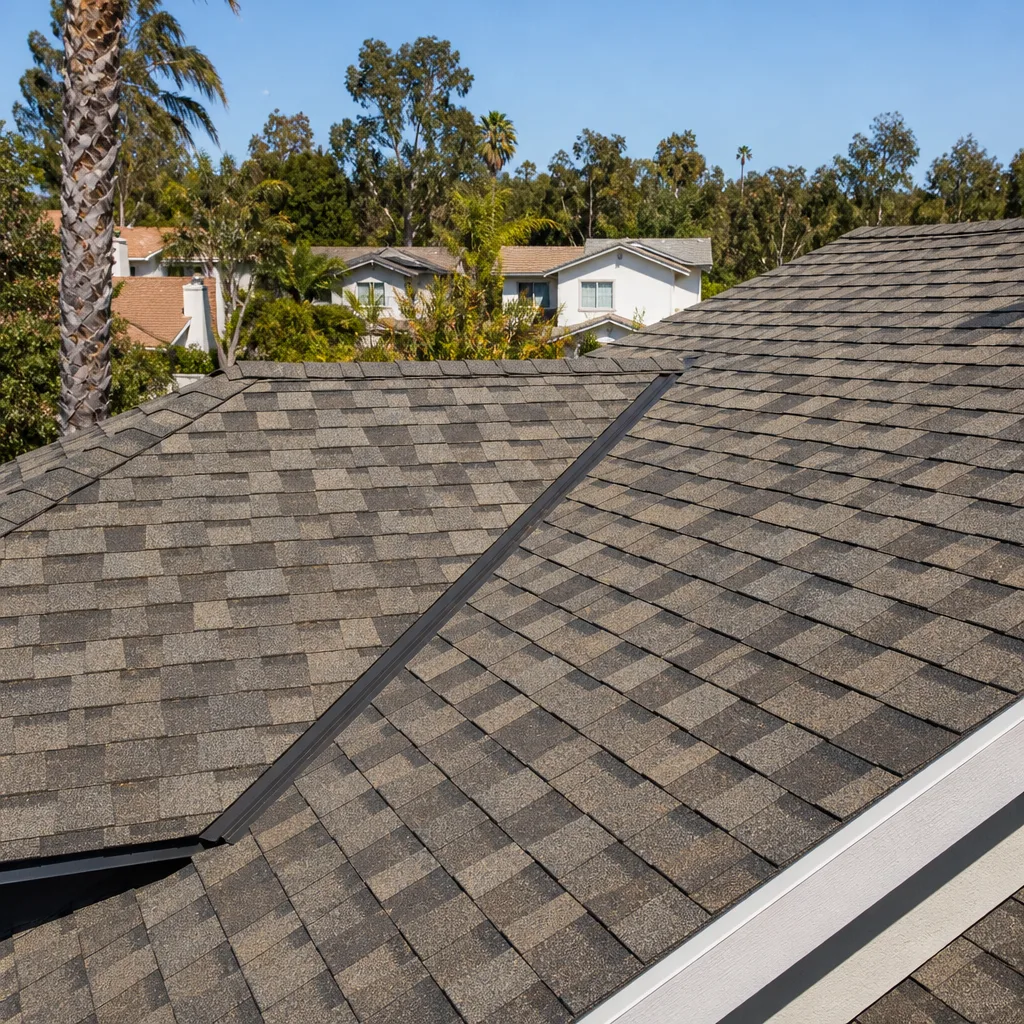
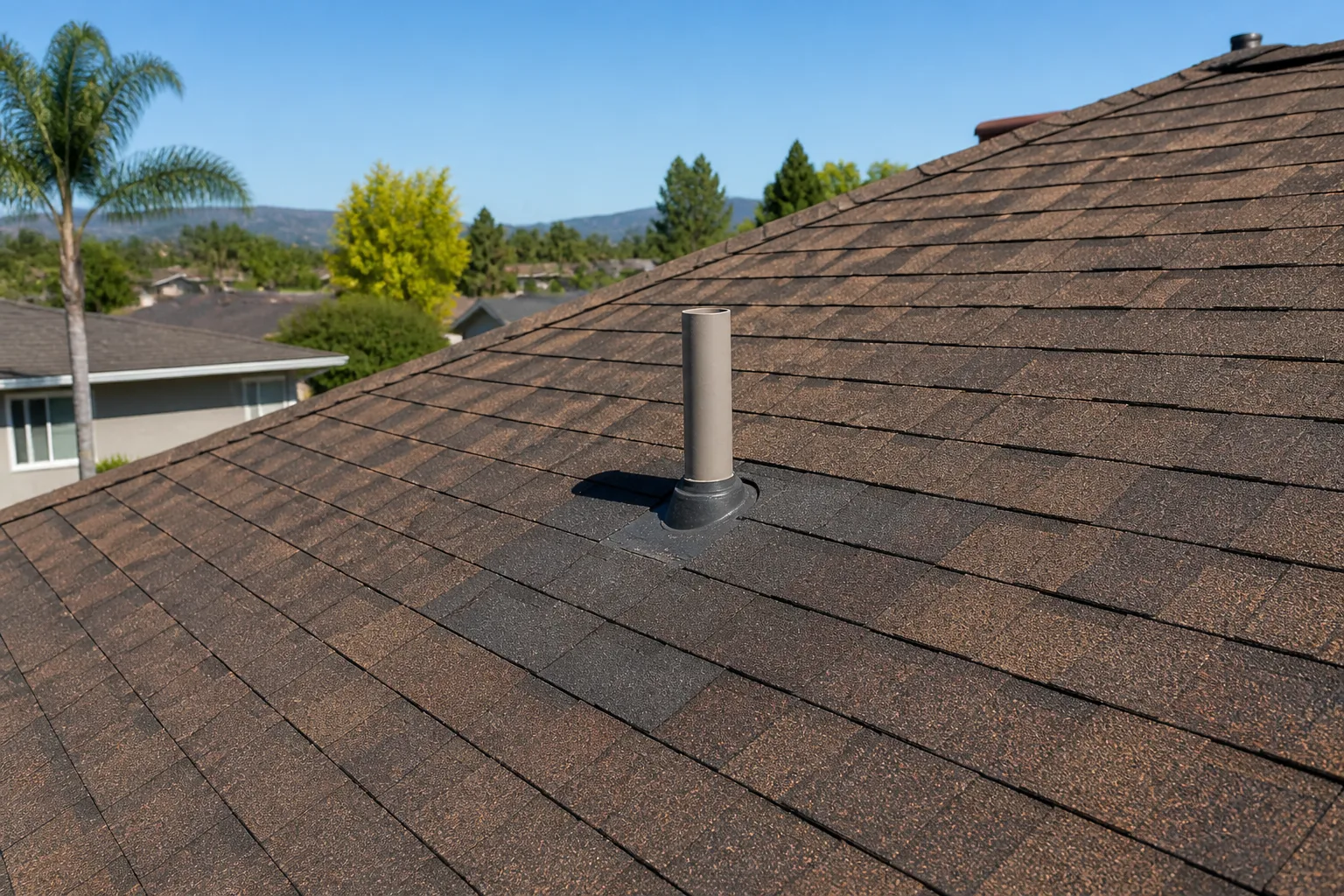
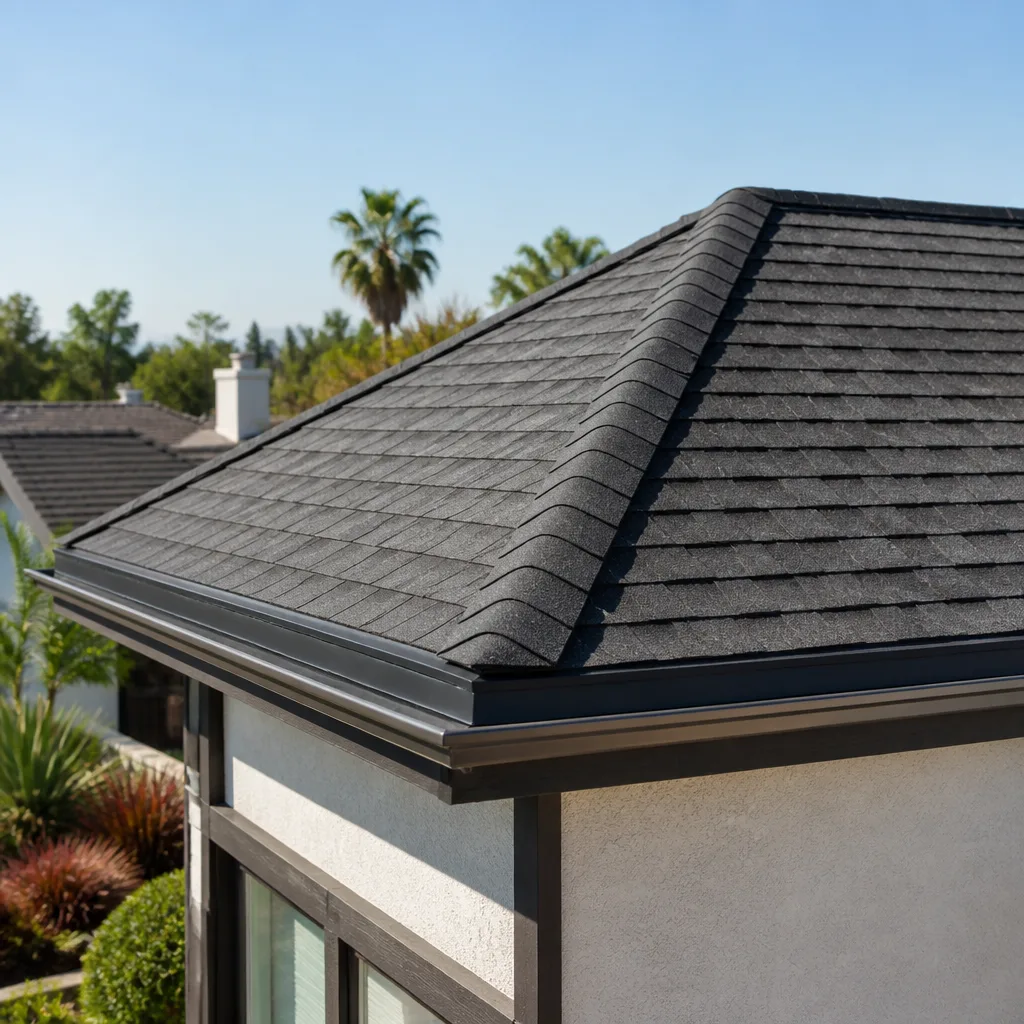
Asphalt shingle is the most common roof in the region, and for good reason. It’s the most affordable entry point, it’s fast to install, and modern brands like GAF and CertainTeed offer a wide range from budget tiers to premium, impact-rated lines. For a Folsom home on a standard budget, shingle is often the practical choice. The trade-off is lifespan under harsh sun: shingles take UV wear directly and need replacing sooner than tile or metal.
Tile
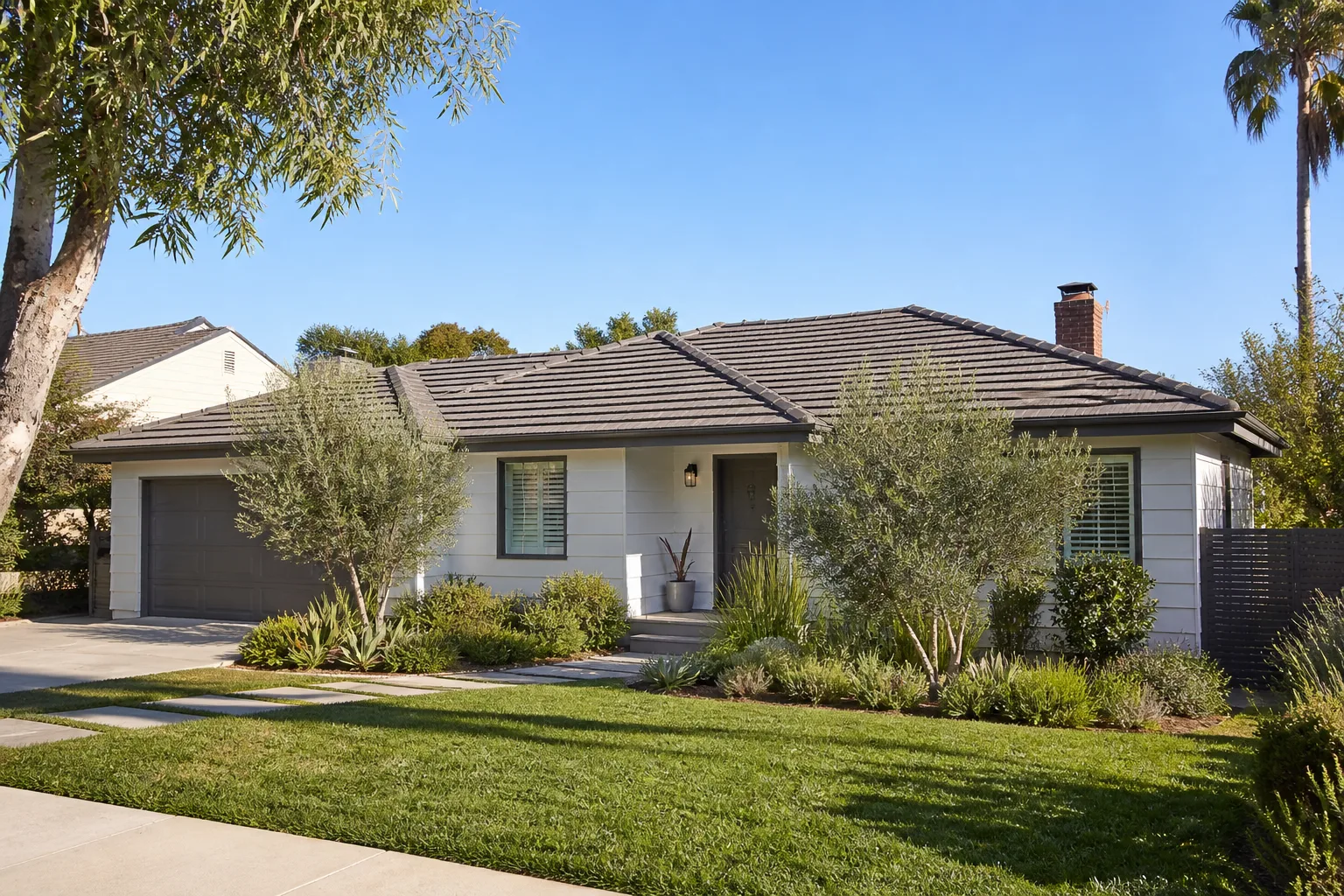
Tile is the heat performer. Clay and concrete tile reflect and shed solar load well, and they don’t break down from UV the way asphalt does. Boral is a name many homeowners recognize in the tile category, and it’s one of the brands we work with. Tile is heavier, so it needs a roof structure that can carry the load, and installation takes more skill. When a home is built for it, tile can outlast several shingle roofs. Many shingle-first roofers steer customers away from tile simply because it’s outside their comfort zone; we install it because it’s often the right answer for a sun-exposed Folsom home.
Metal
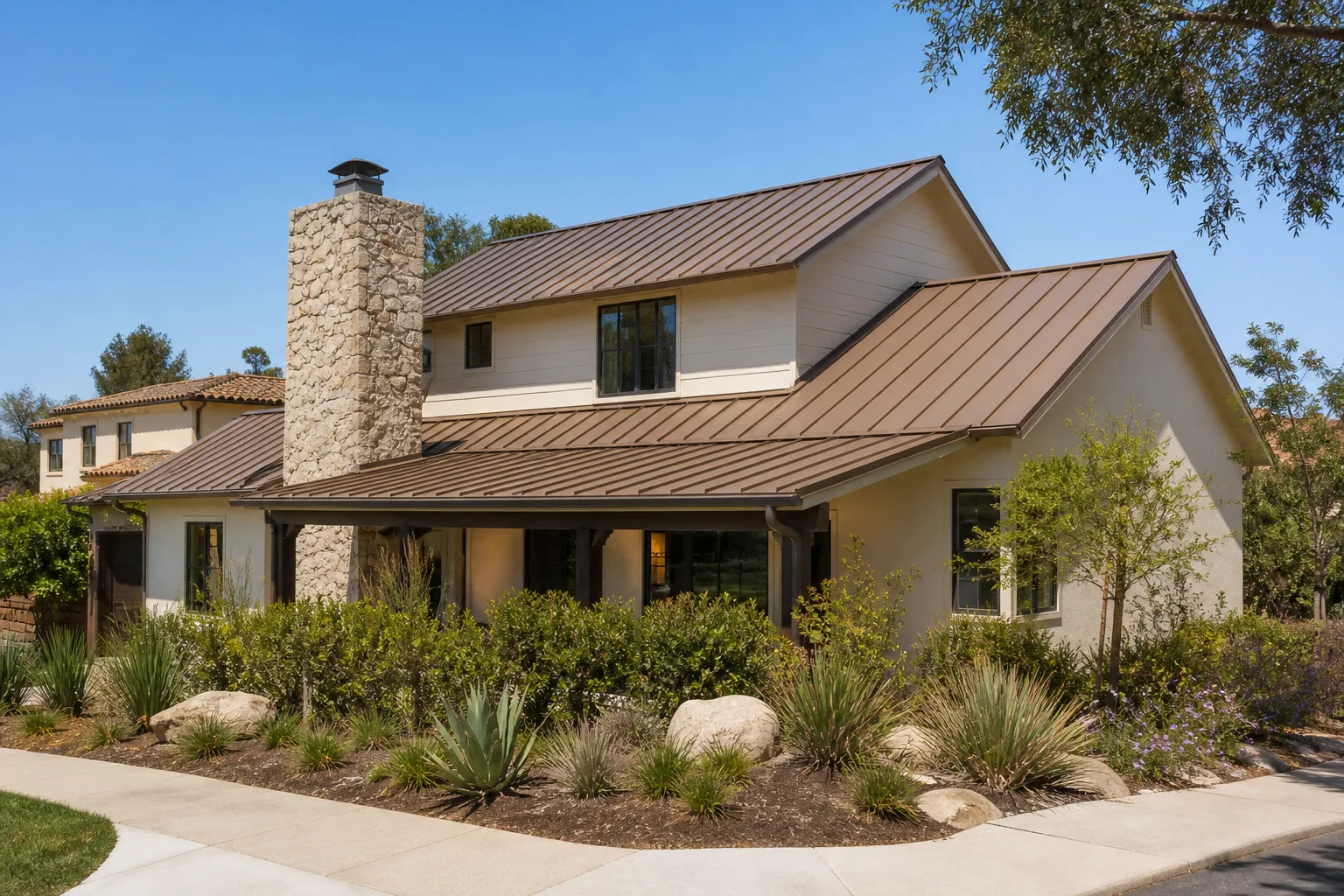
Metal roofing handles sun and impact well, sheds water cleanly, and holds up to temperature swings. It costs more upfront than shingle, and the style range is wider than most people expect, from standing seam to metal panels designed to look like tile or shake. On a Folsom home with long sun exposure, metal’s durability can make the math work over a long horizon.
Side-by-side
- Upfront cost: shingle lowest, tile middle to high, metal middle to high depending on style.
- Heat performance: tile best, metal strong, shingle standard.
- Impact resistance: highest on Class 4-rated products in any category; metal and certain shingles lead.
- Weight: shingle lightest, tile heaviest, metal light to moderate.
- Lifespan under Folsom sun: tile longest, metal long, shingle the shortest of the three.
Because we install all three systems, our recommendation is driven by your home and budget, not by which material we prefer to sell. Ask us to compare your options for your specific roof.
Realistic Lifespan by Material Under Folsom Conditions
Manufacturer spec sheets often quote lifespans under ideal conditions. Folsom isn’t ideal conditions. Between the sun load and the moisture cycles, a roof here usually lives at the shorter end of the manufacturer’s range, and the sun-facing slopes will wear noticeably ahead of the shaded ones. That gap between the spec sheet and the actual roof is where homeowners get surprised.
What drives the real number:
- Orientation. South- and west-facing slopes take the most sun and age first.
- Ventilation. A roof deck that can’t breathe runs hotter underneath, which shortens shingle life especially.
- Installation quality. Flashing, underlayment, and fastener detail matter as much as the material itself.
- Impact history. A roof that’s taken foothill storm impact ages faster than one that hasn’t.
Rather than promise you a single number, we look at your specific roof and tell you what its condition suggests. A shingle roof that’s been ventilated well and installed correctly will outlast a poorly installed tile roof, so the material is only half the story. The other half is how it was put on. When you call us out for a look, you get an honest read on where your roof is in its life, not a scare tactic.
Why Class 4 Impact Ratings Matter in Folsom
Hail isn’t a big local story the way it is in the plains, but impact is real in the foothills. Storms that roll out of the Sierra can drop hail and wind-driven debris, and a roof that shrugs off impact avoids the bruised shingles, cracked tiles, and punctured metal that follow. That’s why a Class 4 impact-resistant rating is worth a serious look on a Folsom roof, especially on the slopes that face the weather.
Class 4 is the highest impact rating a roofing product can carry under standard testing. Not every product in every material category earns it, but many premium lines do, and the difference in protection is meaningful for a home under foothill storm exposure. For a shingle roof, an impact-rated line gives you surface durability against the impacts that would otherwise knock granules loose and start the aging process early.
Here’s how impact plays out by material:
- Asphalt shingle: impact can bruise the mat and loosen granules. Impact-rated shingles resist this far better than standard ones.
- Tile: a hard impact can crack an individual tile. Tile is repairable in place, but you need to catch the crack before water gets under it.
- Metal: dents rather than cracks, and impact-resistant finishes hold up. Metal rarely fails from impact, though appearance can suffer.
If impact resistance matters to you (and on a Folsom roof, it’s worth considering), ask specifically about Class 4 products in the material you’re leaning toward. We work with brands like GAF and CertainTeed that carry impact-rated lines, and we’ll tell you plainly whether the upgrade is worth it for your home. If you’re weighing a full roof replacement, the impact rating is a detail that’s easy to miss and worth sorting out up front.
What HOA Guidelines in Folsom Neighborhoods Actually Restrict
Architectural review is one of the most overlooked steps in a Folsom roofing project. Neighborhoods like Empire Ranch, Broadstone, and the El Dorado Hills side of the area often have HOA architectural guidelines that control what a roof can look like. Those rules can eliminate certain materials, colors, or profiles before you even finish shopping. Discovering that after you’ve picked a roof is a costly detour.
HOA guidelines commonly restrict:
- Material type or color palette. Some associations require tile, or require specific roof colors that match the neighborhood’s look.
- Profile and exposure. The visible shape and texture of the roofing can be regulated.
- Approval process. A roof replacement often must go through architectural review before work starts.
The practical move is to get your HOA’s architectural guidelines in hand before you commit to a material. If you’re in a neighborhood with review rules, bring the guidelines to your estimate and we’ll match the options we present to what your association actually allows. A roof that gets installed and then flagged for review is a problem nobody wants. Doing this check early protects the timeline and the budget.
Not every Folsom home is under an HOA, of course. If yours isn’t, you still want to consider how your material choice fits the neighborhood and the home’s architecture, but you won’t have an approval step. Either way, knowing the answer before you buy is the whole point.
How a Roof Replacement or New Roof Installation Works
A roofing project follows a predictable path when it’s organized correctly. Whether you’re replacing an aging roof or installing one on a new build, the sequence below is what a clean, well-run job looks like from a Folsom homeowner’s seat. We specialize exclusively in new roof installation and replacement, so this is the entire scope of what we do.
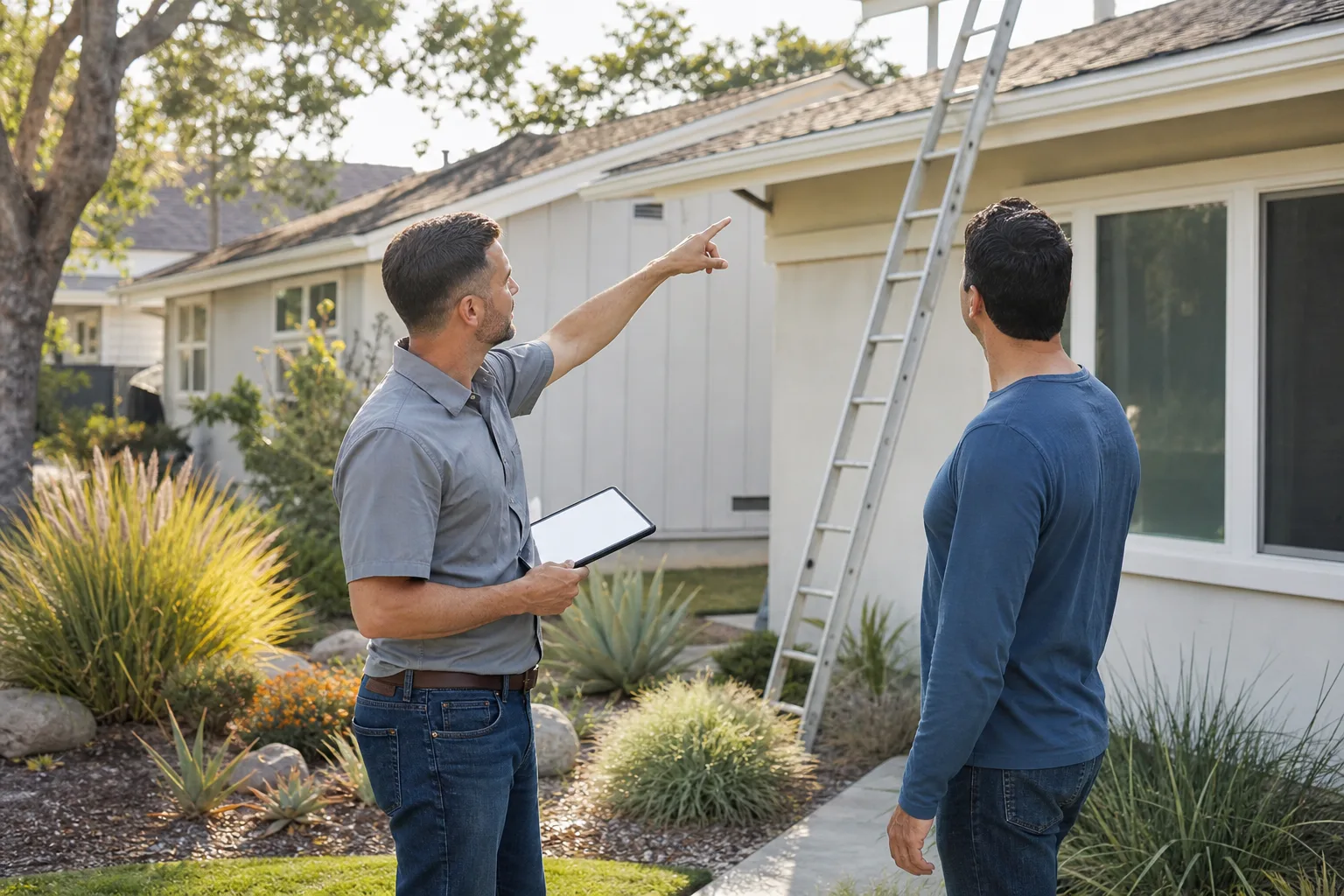
- Inspection and assessment. We look at the roof’s current condition, the deck, the valleys and flashing, the ventilation, and how the home’s orientation has affected wear. This drives the material conversation.
- Option comparison and written estimate. We present material options across shingle and tile and metal, with honest notes on each and a written, line-item estimate. You see the ranges before you commit.
- HOA and permit check. Architectural review where it applies, and permits pulled as the local municipality requires.
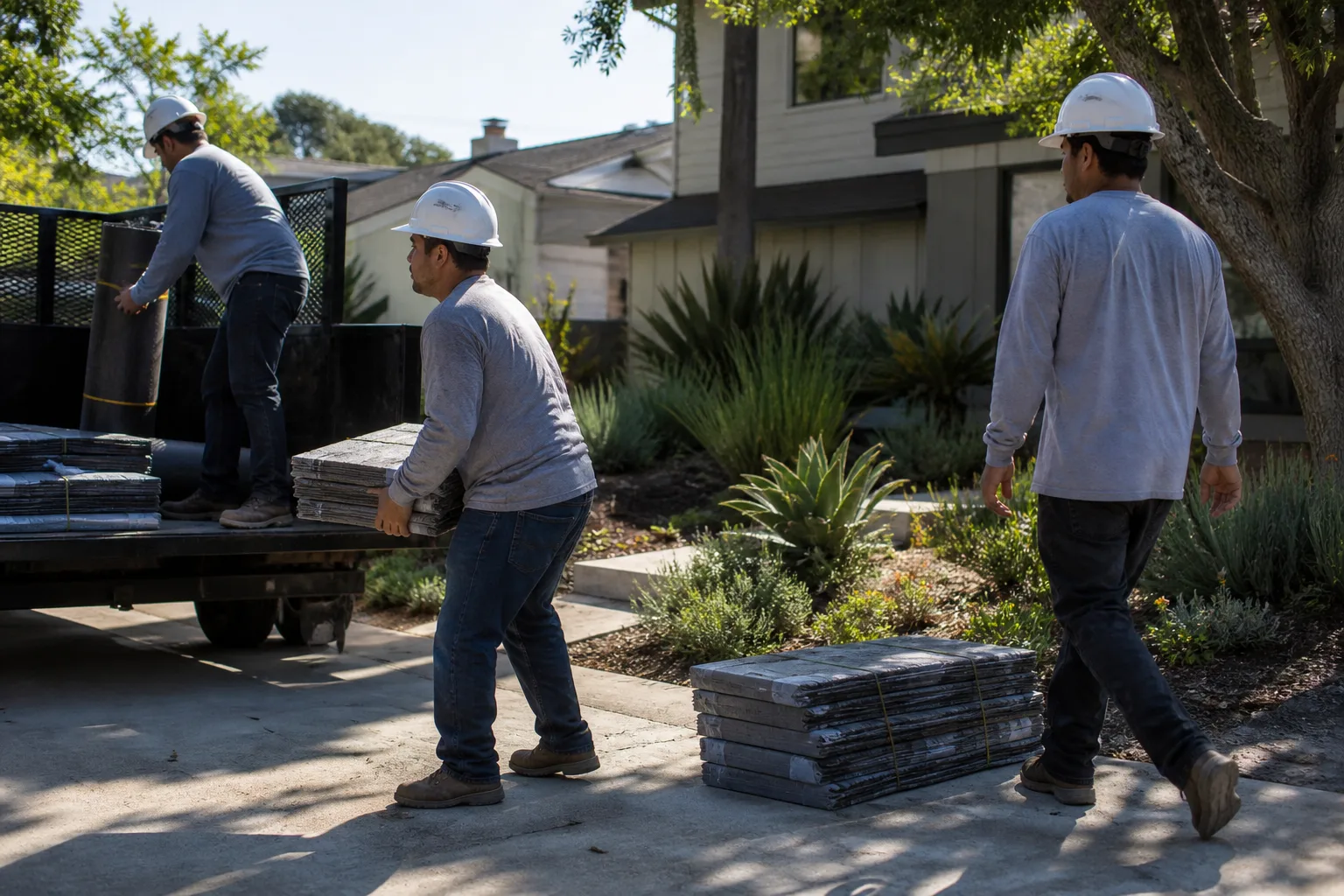
- Material order. The chosen products are ordered from the manufacturer. Lead times vary by material and by brand.
- Tear-off and decking. The old roof comes off, the deck is inspected and repaired as needed, and underlayment goes down.
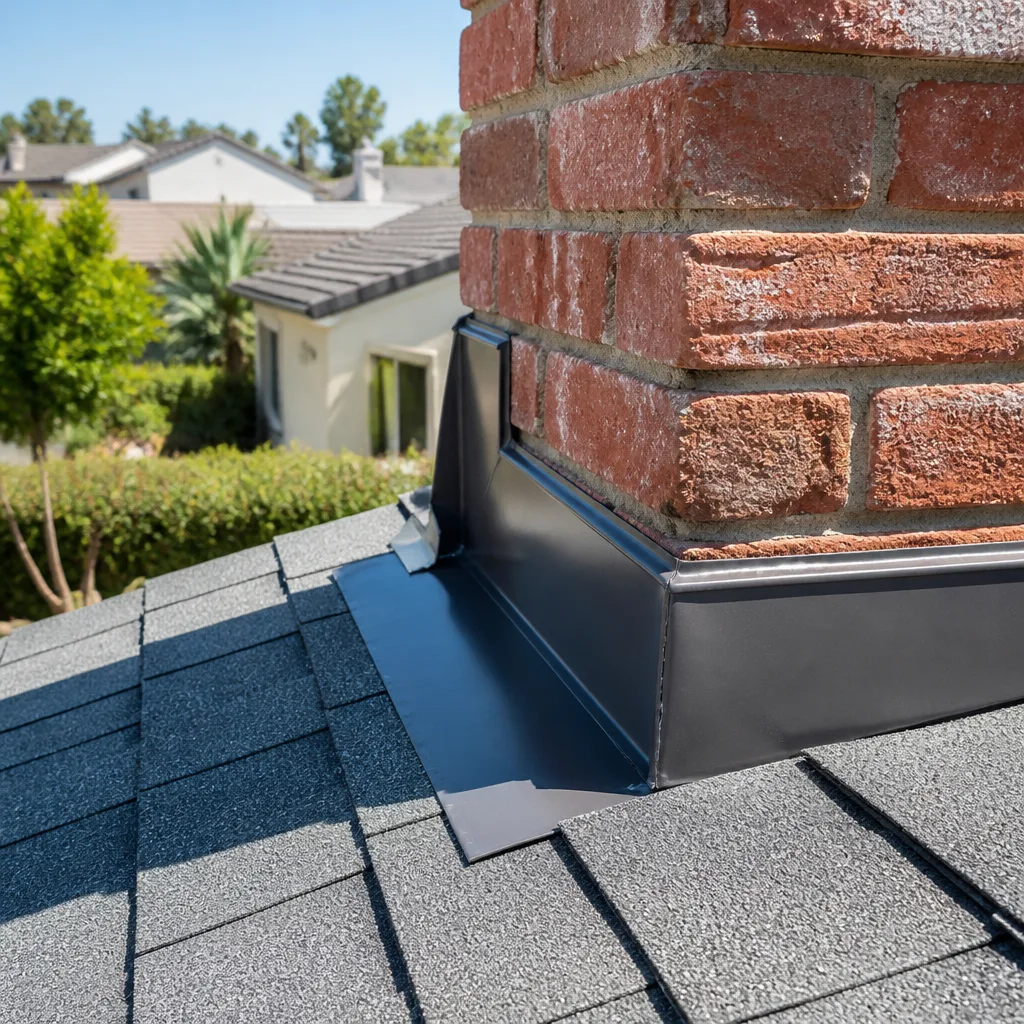
- Installation. Flashing, valleys, and penetrations get detailed correctly, because those are the spots that fail first under moisture.
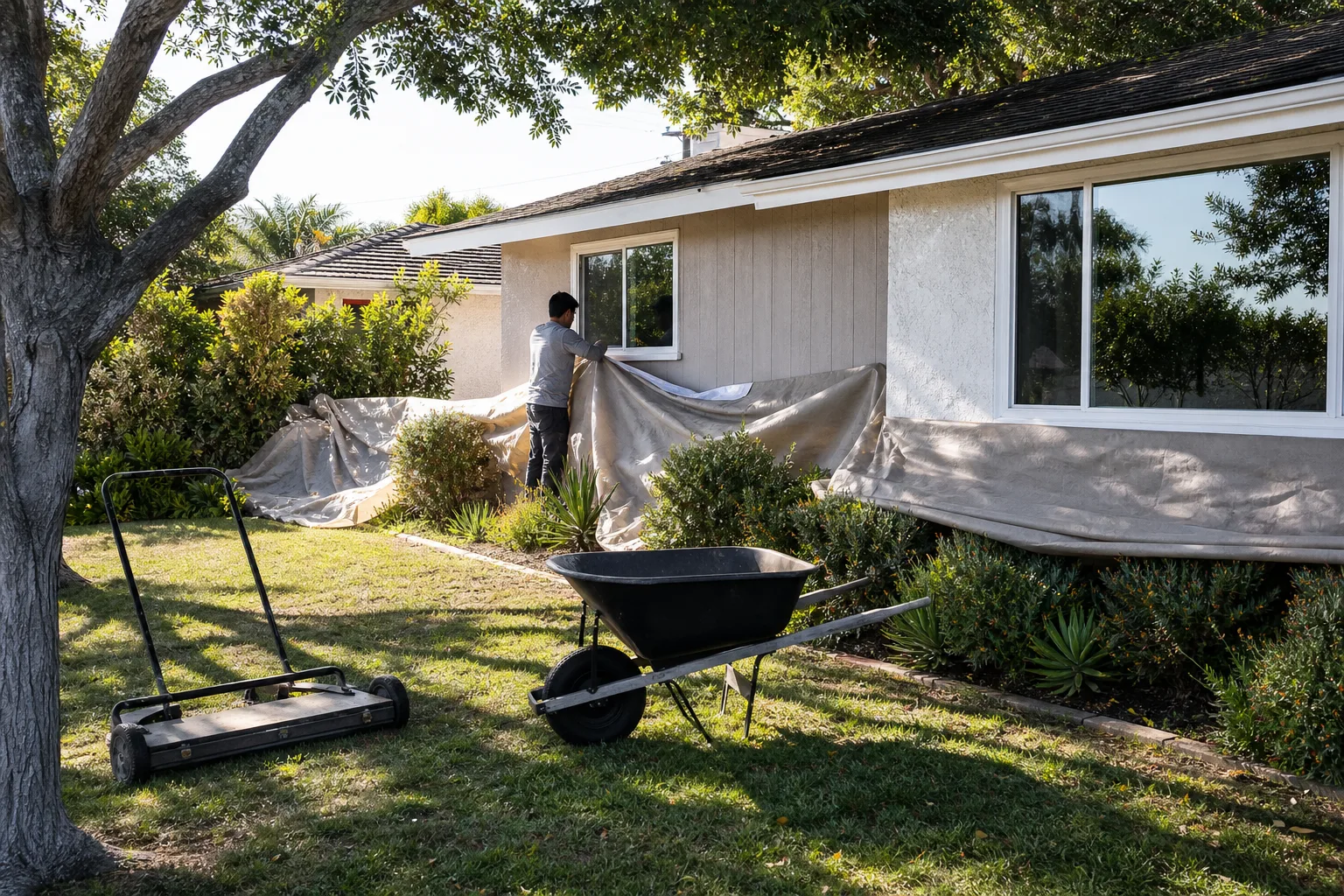
- Cleanup and final walk. The site is cleaned, and you and the crew walk the finished roof together.
The timeline depends on your roof’s size and pitch, the material, and the weather. Shingle installs move faster than tile. Tile takes more time because every piece needs setting. We’ll give you a realistic window with your estimate, not an optimistic one, so you can plan around it. If you want to see how a shingle-specific project looks, our shingle roofing page covers that material in detail.
What Drives Cost on a Folsom Roof
Roof cost in Folsom isn’t a single number, and any guide that quotes one flat figure is guessing. What drives the price is a combination of factors that vary from house to house. The final price comes from a written, line-item estimate after we’ve actually seen your roof, not from a phone estimate based on square footage alone.
The biggest cost factors:
- Material choice. Shingle is the lowest upfront, tile and metal higher. Within each category, premium lines cost more than value lines.
- Roof size and complexity. Multiple planes, valleys, dormers, and steep pitch all add labor and time.
- Decking condition. If the deck needs repair or replacement once the old roof is off, that’s part of the job and part of the estimate.
- Ventilation and flashing. Doing these right is not optional. They’re line items, not skipped corners.
- Impact rating and warranty tier. Premium, impact-rated products and manufacturer-backed warranties carry a higher material cost.
- Removal and disposal. Tearing off the old roof and hauling it away is real work with real cost.
Because we work with multiple manufacturers, we can present options at different price points. A budget-conscious homeowner and a quality-first homeowner can both get an honest recommendation from the same estimate. Name-brand materials with manufacturer-backed warranties, priced per job, is how we quote. If cost is your main driver, say so, and we’ll show you the value-tier options. If longevity matters most, we’ll show you the premium side. The written estimate sets the final price, and that’s what protects you from surprises.
How to Choose the Right Roof for Your Home
Choosing a roof is a sequence of decisions, not a single gut call. The homeowners who end up happy with their roof are the ones who worked through these questions in order rather than picking a material first and fitting everything else around it.
Work through it like this:
- Check your HOA and local rules first. If your neighborhood restricts material or color, that narrows the field before you start.
- Assess your roof’s exposure. South and west slopes take the hardest sun in Folsom, so material performance on those faces matters most.
- Set your budget clearly. Upfront cost and long-term life trade off. Shingle gets you a roof now for less; tile or metal costs more upfront but lives longer under the sun.
- Decide how long you plan to stay. A long-horizon home can justify tile or metal. A shorter horizon often points to a quality shingle line.
- Ask for a material comparison, not a single recommendation. A specialist who installs all three systems can compare honestly. One who sells only one material will steer you there.
On a new build, the same logic applies, but the roofer is working alongside the structure from the start, which makes things like tile weight and deck capacity part of the plan rather than a retrofit question. On a replacement, the roof’s current wear pattern tells us what survived and what didn’t, which is real local data on how materials perform on your specific house. That’s the advantage of choosing a specialist who’s seen this climate up close.
Common Mistakes to Avoid
- Treating Folsom like the rest of California. Materials chosen for coastal or valley conditions don’t automatically fit here, and assuming they do can shorten your roof’s life. Ask specifically how a product handles sun load and humidity cycles.
- Picking a material before checking your HOA. Architectural guidelines in neighborhoods like Empire Ranch and Broadstone can rule out what you’ve already priced. Get the guidelines first, not after you’ve ordered.
- Letting a single-brand roofer decide for you. A roofer who installs only one material will recommend that material regardless of what fits your home. Ask to see comparisons.
- Ignoring the impact rating. Foothill storms bring impact, and skipping a Class 4 option can lead to premature wear. Ask about it explicitly in your material.
- Skipping the deck inspection. A new roof over a failing deck fails early regardless of the material. The best deals are the ones that check what’s underneath.
- Choosing on lowest bid alone. The cheapest estimate often skips ventilation, flashing detail, or proper disposal. A written line-item quote shows you what’s included.
- Assuming manufacturer lifespans are local lifespans. Spec sheets assume ideal conditions. Your sun-facing slopes will age ahead of the shaded ones, so plan on a local reality, not a best-case number.
See the difference
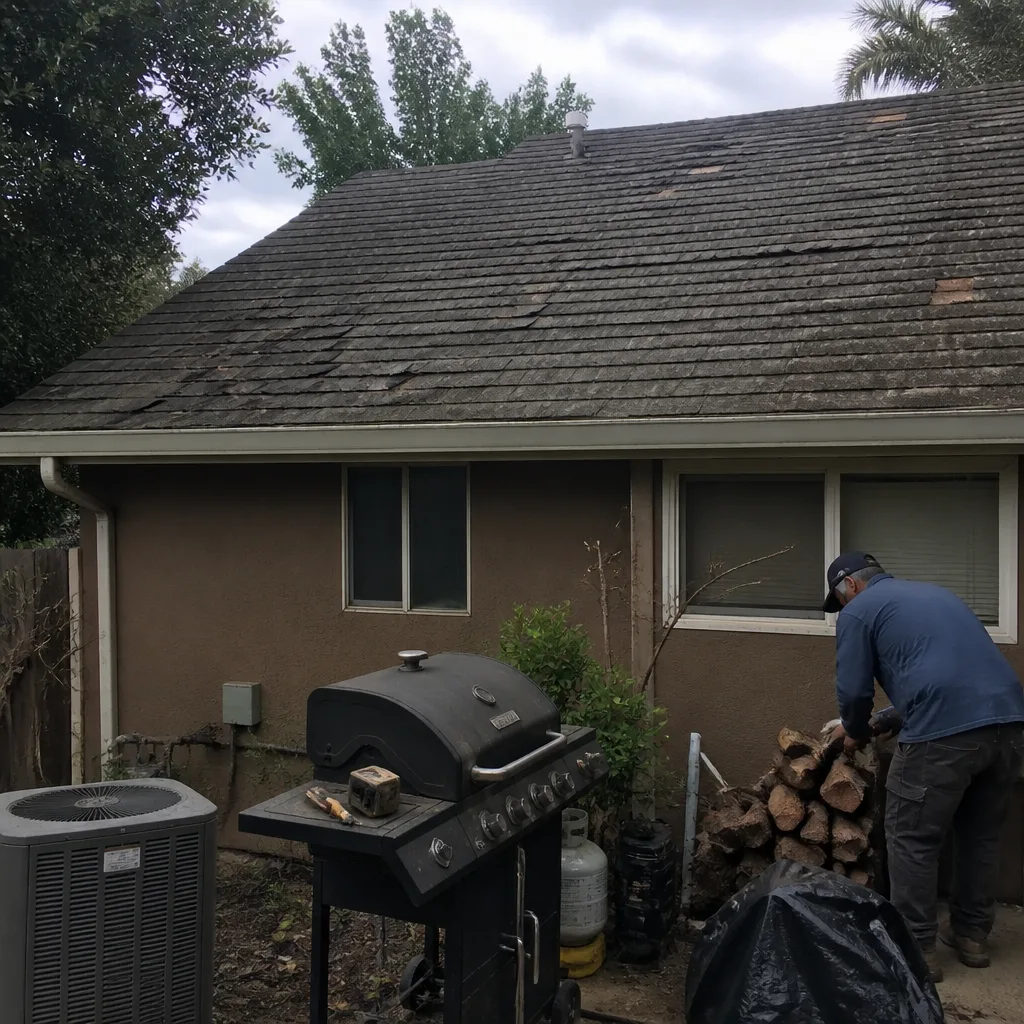 Before
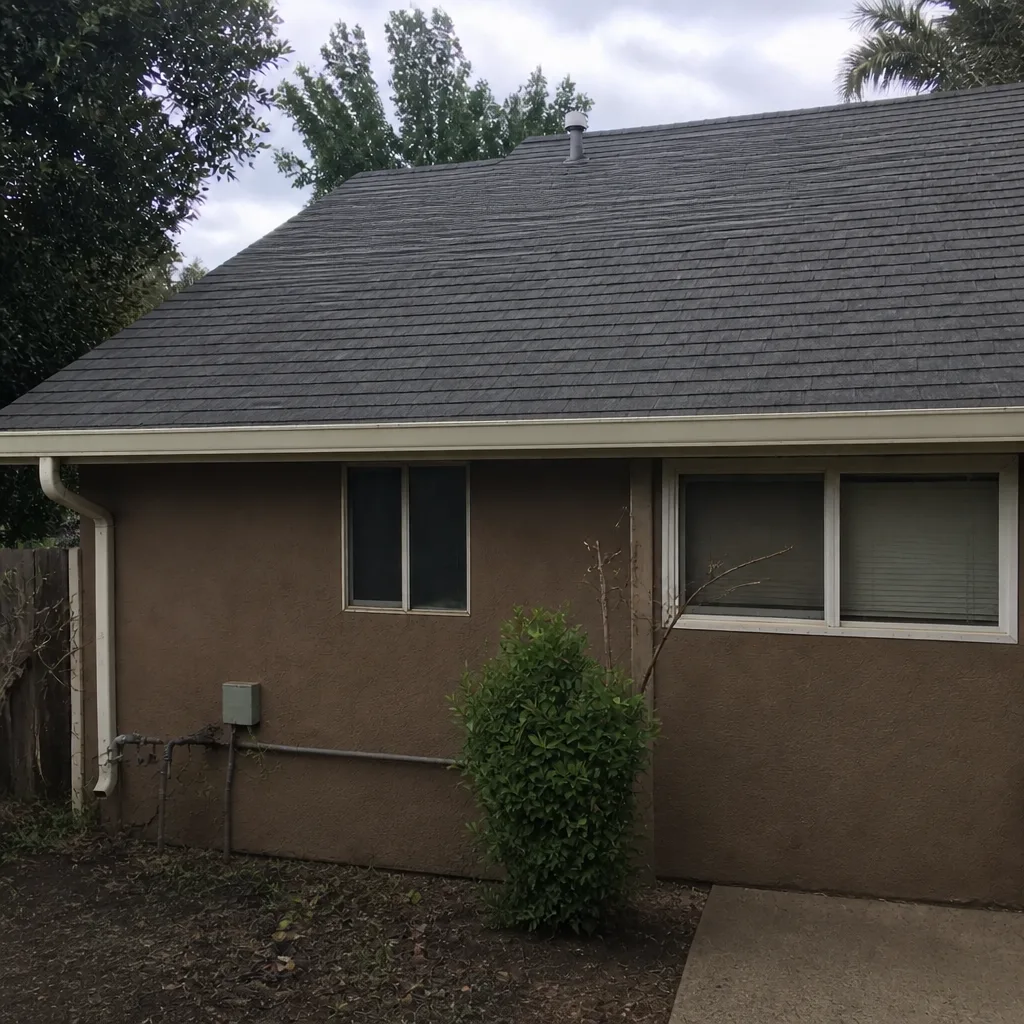 After
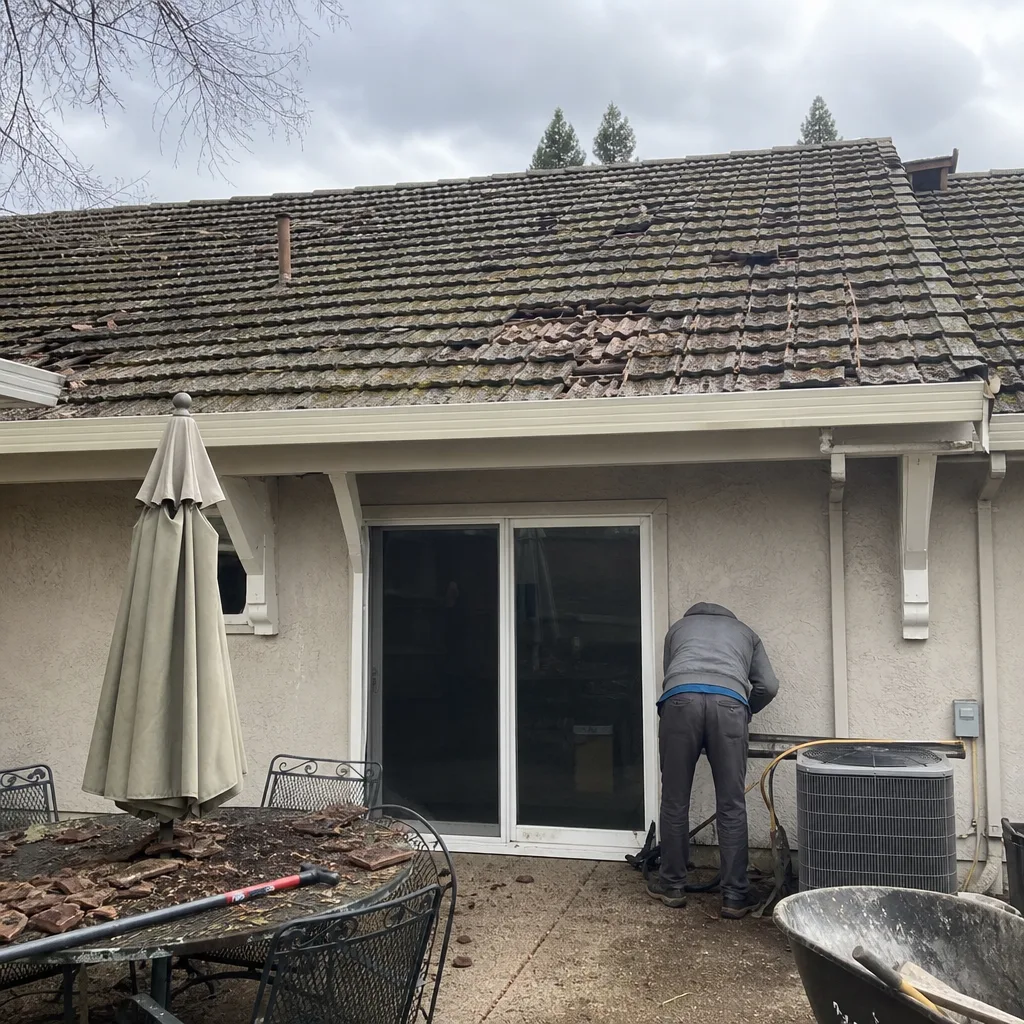 Before
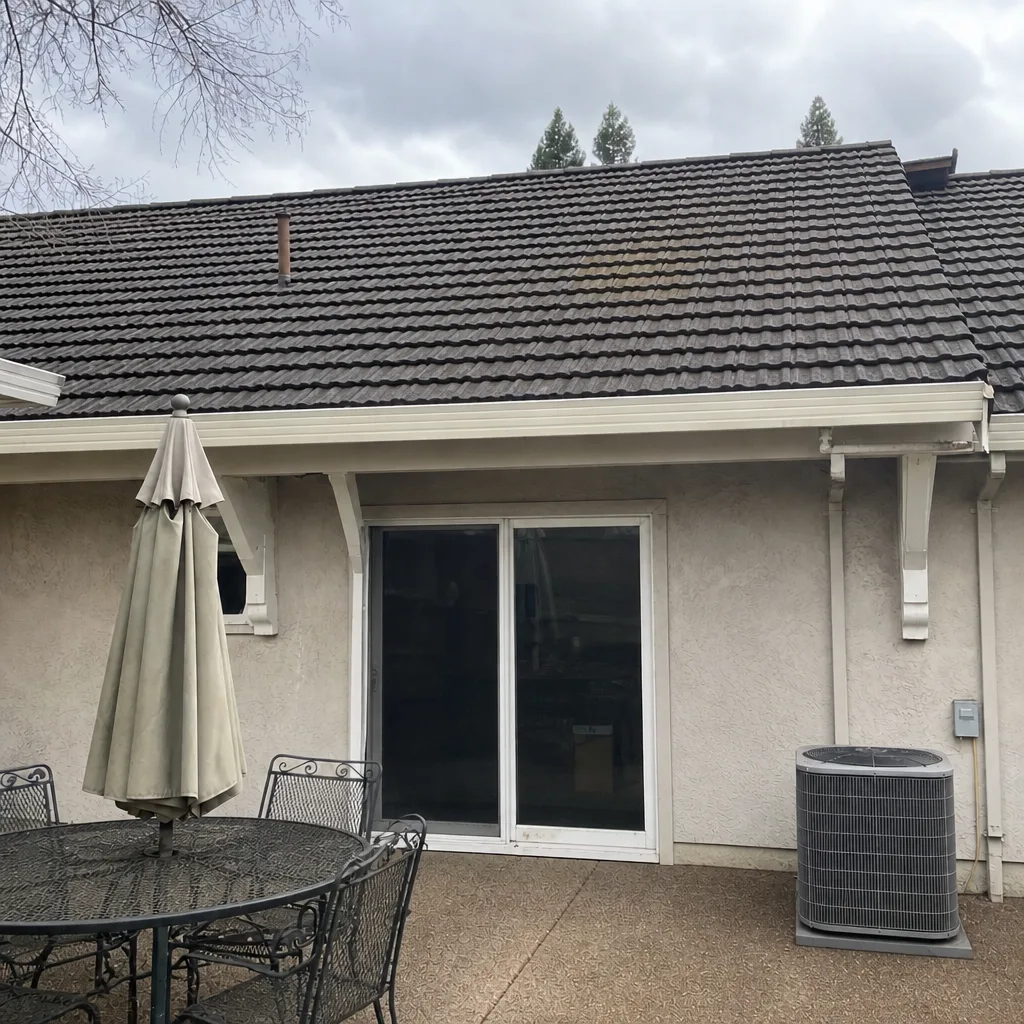 After
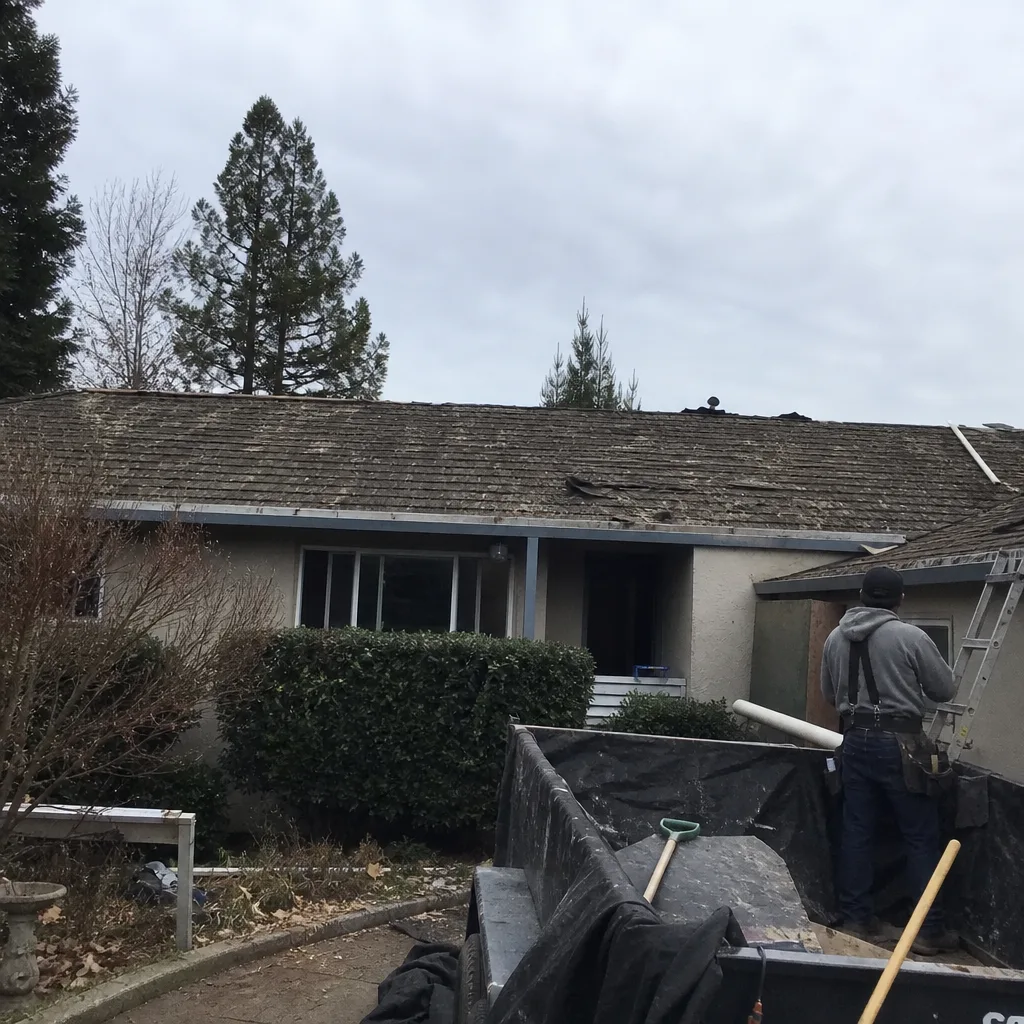 Before
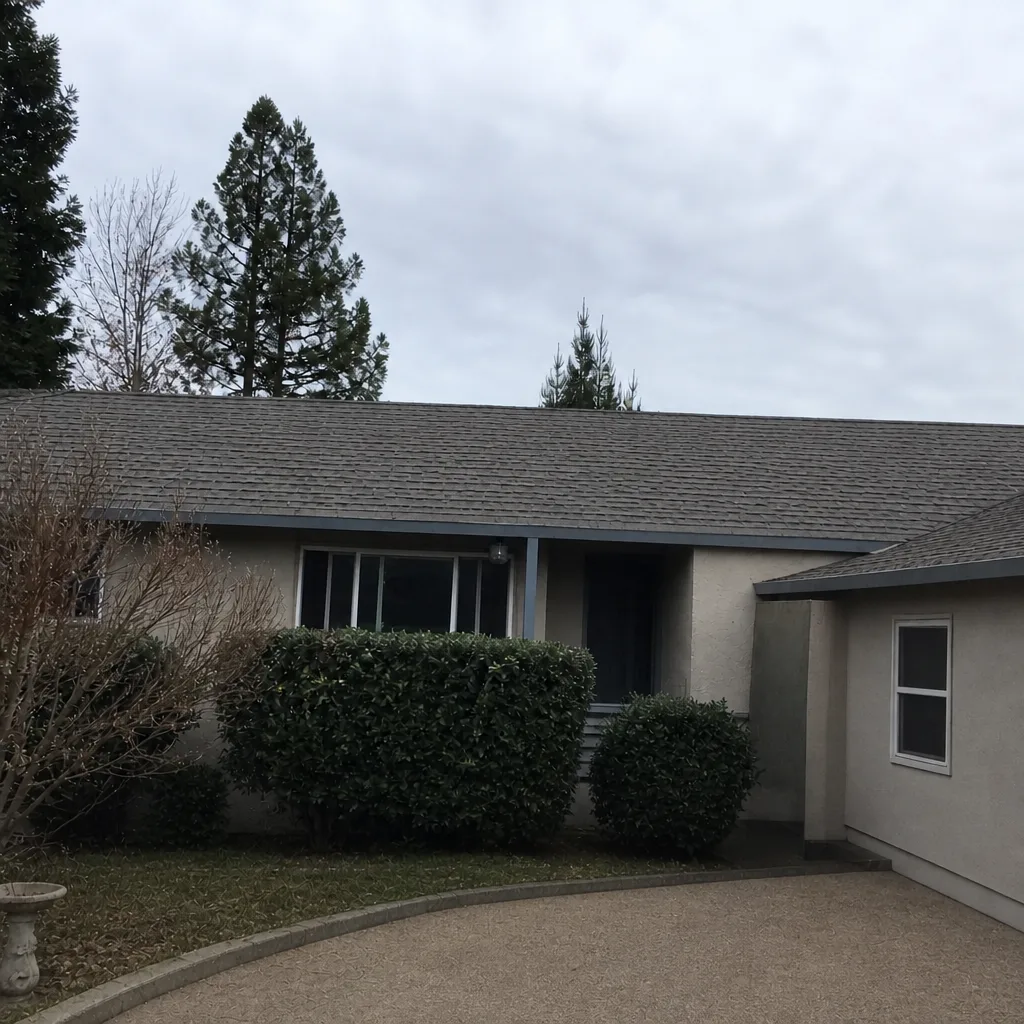 After
When to Call a Professional
Some roof questions are fine to sort out with a binoculars look from the yard. Others need a trained eye on the roof itself. Call a professional when you’re facing a full replacement, when you’re building a new home and need a roof installed from the start, when multiple slopes show uneven wear, when you’re unsure whether a material is right for Folsom’s conditions, or when your HOA guidelines create options you need to sort out. A trained roofer can tell the difference between a roof near the end of its life and one with years left, which is exactly the decision that saves the most money. The local pro we connect you with is licensed and insured as their state requires. Folsom Roofing Pros offers free estimates in Folsom: call (279) 321-0981. We answer 24/7. Fast dispatch from 7am to 7pm, Sunday through Friday.
Frequently Asked Questions
There isn’t one universal best. Tile handles Folsom’s sun load best and lasts longest, metal performs well against sun and impact, and asphalt shingle is the most affordable and most commonly installed path for a standard budget. The right pick depends on your home’s structure, your HOA rules, and how long you plan to stay, so ask for a comparison across all three before deciding. Call (279) 321-0981 for a free estimate that lays out the options.
Yes, for some materials. Folsom’s high sun exposure and its moisture cycles from valley fog and foothill humidity create a bake-and-damp pattern that stresses roofing more than a mild or coastal climate would. Sun-facing slopes age first, and the moisture collects around flashing and valleys where water can sit. It’s not a reason to worry, but it is a reason to choose materials built for it.
In many neighborhoods, yes. Architectural guidelines in Folsom communities often restrict material type, color, and roof profile, and a replacement may need architectural review before work starts. Get your guidelines in hand and bring them to your estimate so the options we present match what your association actually allows. Call (279) 321-0981 to schedule a free estimate.
Class 4 is the highest impact rating a roofing product can carry under standard testing. It matters here because foothill storms can drop hail and wind-driven debris, and a roof that resists impact holds up better on the storm-facing slopes. Ask about Class 4 products in whichever material you’re leaning toward, especially on a home with long sun and weather exposure.
Most take several days, but the timeline depends on roof size, pitch and complexity, your material choice, and the weather. Shingle installs move faster than tile, which takes longer because every piece needs setting. We’ll give you a realistic window with your written estimate, not an optimistic one. Call (279) 321-0981 for a free estimate and a schedule.
No. The written, line-item estimate sets the final price, and it’s built from an actual look at your roof, deck, ventilation, and flashings. The main thing that can change the quote is unexpected deck or structural damage found during tear-off, and that’s discussed with you before it becomes a line item. Call (279) 321-0981 to start with a free estimate.
The Bottom Line
Roofing in Folsom is a climate decision before it’s a product decision. The sun load, the moisture cycles, and the foothill impact exposure all point toward certain materials and away from others, and the right answer varies by home orientation, budget, and HOA. Shingle is the practical entry point, tile is the long-haul sun performer, and metal is a strong all-rounder for impact and weather. Since we install all three systems and work with multiple brands, the recommendation follows your roof, not our inventory. Start with a free estimate that compares real options for your Folsom home, and the rest gets clearer from there. When you’re ready to compare, Folsom Roofing Pros is ready to help.
Call (279) 321-0981 for a free estimate. We answer 24/7. Fast dispatch from 7am to 7pm, Sunday through Friday. Name-brand materials. Manufacturer-backed warranties. The written estimate sets the price, and there are no change orders once work starts. Ask us to compare your options. That’s what pros do.
Written by the team at Folsom Roofing Pros.