Last updated November 25, 2026
Free roof inspection with deck photos before we talk money - GAF and Owens Corning certified installation
DIY vs Professional Roofing: The Folsom Homeowner’s Decision Guide
Most homeowners in Folsom weigh a do-it-yourself roof project by asking whether they’re capable. That’s the wrong question, and it’s the one that leads good people into trouble. The real question is what happens down the road – to your insurance, your ability to sell, and who accepts responsibility when a leak shows up under a section you installed yourself. Plenty of DIY work is genuinely sound. Most of it still creates paperwork nobody asked for. In this guide we’ll walk through what California actually allows, where the insurance gap opens up, which jobs you can safely handle, and the honest cost math between materials-plus-your-time and a licensed installation with a manufacturer-backed warranty.
Quick Answer
In California, a homeowner can legally do roofing work on their own residence using an owner-builder permit, but that work becomes a required disclosure at resale and often falls outside insurance coverage for future leaks near the self-repaired area. Roof replacement, structural sheet work, and anything in a Folsom HOA neighborhood should go to a licensed professional who pulls the permit and backs the install with a written warranty.
Styles & brands we work with
- Architectural shingles
- Metal roofing
- Tile roofing
- GAF
- Owens Corning
- Flat & low-slope
Table of Contents
- What California Law Actually Says About Owner-Builder Roofing
- The Insurance Coverage Gap Nobody Explains
- What’s Genuinely DIY-Appropriate on a Roof
- The Real Cost Comparison: DIY vs Professional in Folsom
- Why Folsom’s HOA Neighborhoods Add Another Approval Layer
- How a Professional Roof Replacement Actually Unfolds
- Permits, Inspections, and What They Protect
- Choosing Between Shingle, Tile, and Metal
What California Law Actually Says About Owner-Builder Roofing
The single most useful fact homeowners miss: California does not forbid you from roofing your own house. What it does is attach conditions. Under California law, an owner-builder can take out a permit for improvements on property they own and occupy, but the permit comes with a disclosure statement acknowledging that you are acting as your own contractor, that you take on the responsibility for worker safety, and that you may need to provide evidence you occupy the property. The permit is real. The accountability is all yours.
For roofing specifically, most cities require a permit for a full replacement or any change to the roof covering and structure. Folsom is no exception – call the city’s building department before you cut anything, because the exact scope required for a permit is set locally and can vary by job. What most homeowners don’t know is what happens after the job is done.
Two points matter most at resale:
- The work is disclosed. When you sell a home, the transfer disclosure statement asks about alterations and additions, and unpermitted or owner-performed work is a known source of buyer hesitation and price negotiation.
- The buyer can ask for proof. A well-informed buyer’s agent will ask whether the roof was permitted and inspected. An owner-builder permit is legal, but it changes the story from “professional installation with a warranty” to “the seller roofed it themselves.” That’s a negotiation lever.
California’s contractor licensing rules exist for the same reason. Roofing contractors must hold a state license for work valued above a small threshold, and working without one carries real legal exposure. None of this is designed to scare you off a gutter clean. It’s designed so that structural, permit-required work has a paper trail when your home changes hands. If you’re planning anything close to a full replacement, the cleanest answer is professional work from the start – our team at Folsom Roofing Pros handles the permitting and inspection process on every install.
The Insurance Coverage Gap Nobody Explains
Here’s where DIY gets genuinely expensive, and it’s not on the day you do the work. It’s two or five years later when water finds a weak spot near the section you repaired and your adjuster asks who did the install. Homeowner policies typically exclude or reduce coverage for work the insured performed or arranged without a licensed contractor, especially where the damage traces back to that work. You didn’t do anything wrong. You just voided a layer of protection you were paying for.
Picture the sequence that plays out most often:
- You replace a section of roof yourself, correctly, with proper materials.
- Two winters later, a leak shows up near that section – maybe from a shifted flashing detail, maybe from something unrelated nearby.
- You file a claim. The adjuster asks for the permit and proof of a licensed installation.
- The claim gets denied, partially denied, or referred back to “the installer” – which is you.
- You pay for the interior repair and the roofing repair out of pocket, and the future buyer’s inspector flags the unpermitted work anyway.
The gap isn’t about skill. A meticulous homeowner can shingle beautifully. The gap is that insurance protects a professionally performed job with a paper trail and a responsible party. On an owner-performed job, the responsible party is the only person the adjuster can point at. And if the policy language can’t find a licensed installer to hold accountable, it often finds a reason to limit the payout.
The same logic applies to warranty. A manufacturer-backed warranty on new materials – the kind that comes with GAF, Atlas, or Tamko products – is a contract between the manufacturer and a licensed installer. Material warranties on owner-installed product frequently shrink to component-only coverage. That’s a real difference in what’s protected.
What’s Genuinely DIY-Appropriate on a Roof
Not everything up there requires a license, and we’re not going to pretend otherwise. Some tasks are well within reach for a careful homeowner, and doing them yourself costs nothing but an afternoon. Here’s the honest split.
Tasks that are genuinely DIY-appropriate
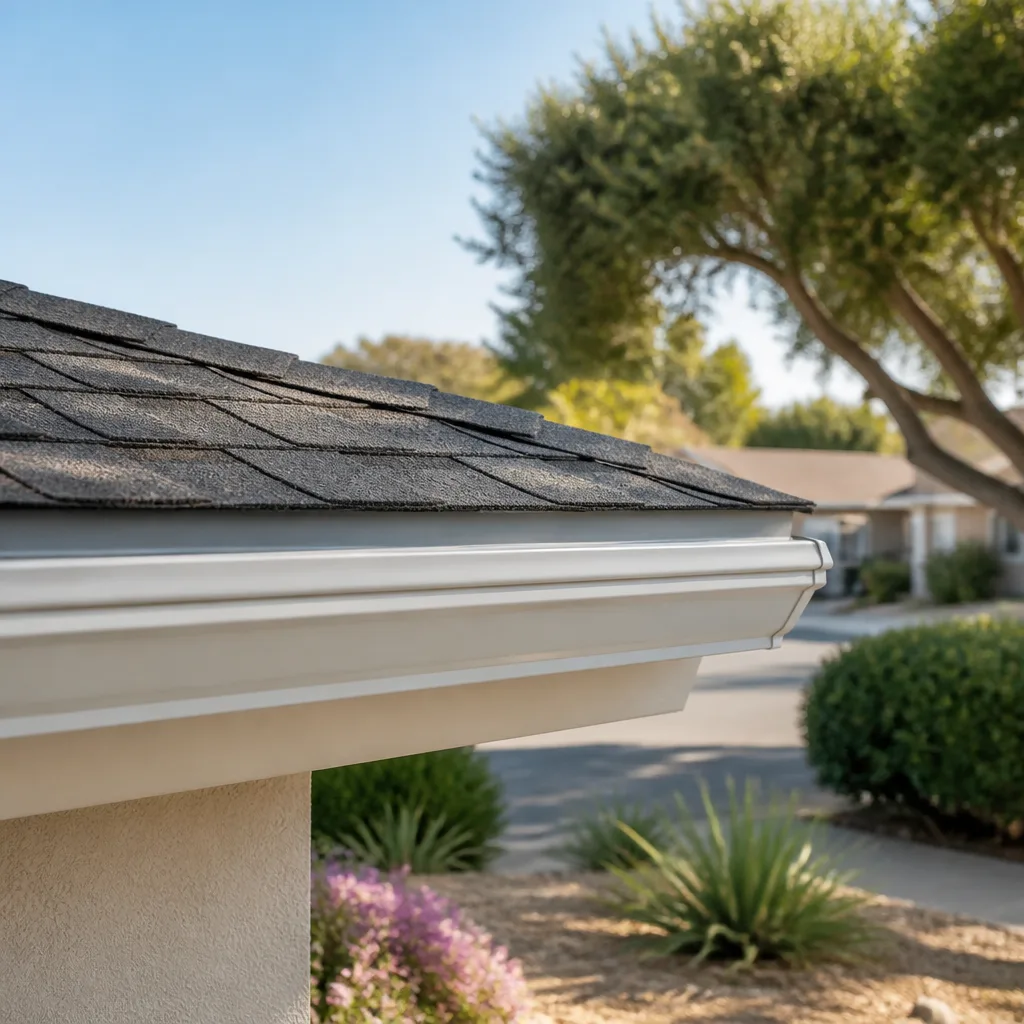
- Gutter cleaning and debris removal. Seasonal buildup causes more roof-edge problems than anything else in Folsom, and it takes a ladder, gloves, and a bag. Save it for dry weather and never walk a wet roof.
- Documenting granule loss. Take clear photos of your shingles from the ground and note any areas of thin or bare spots. This is genuinely useful evidence if you ever file a storm or age-related claim.
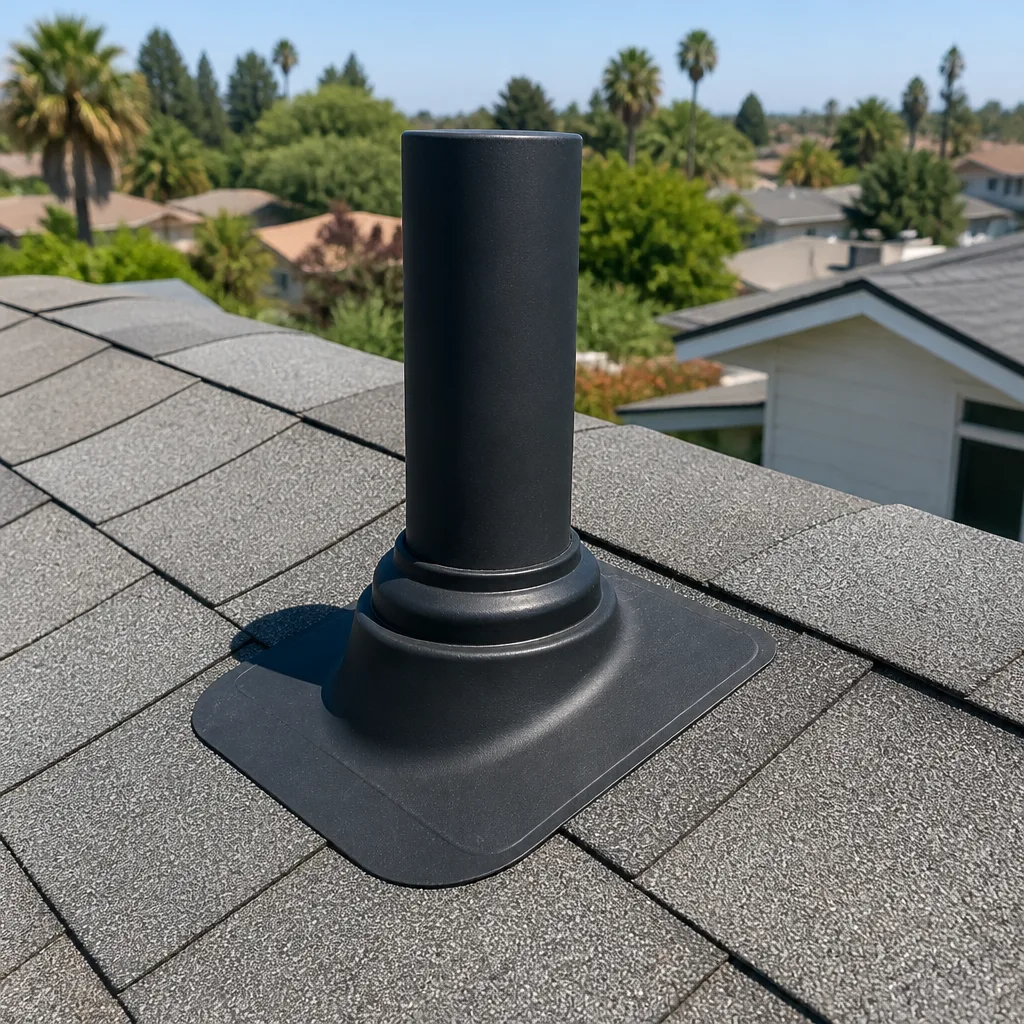
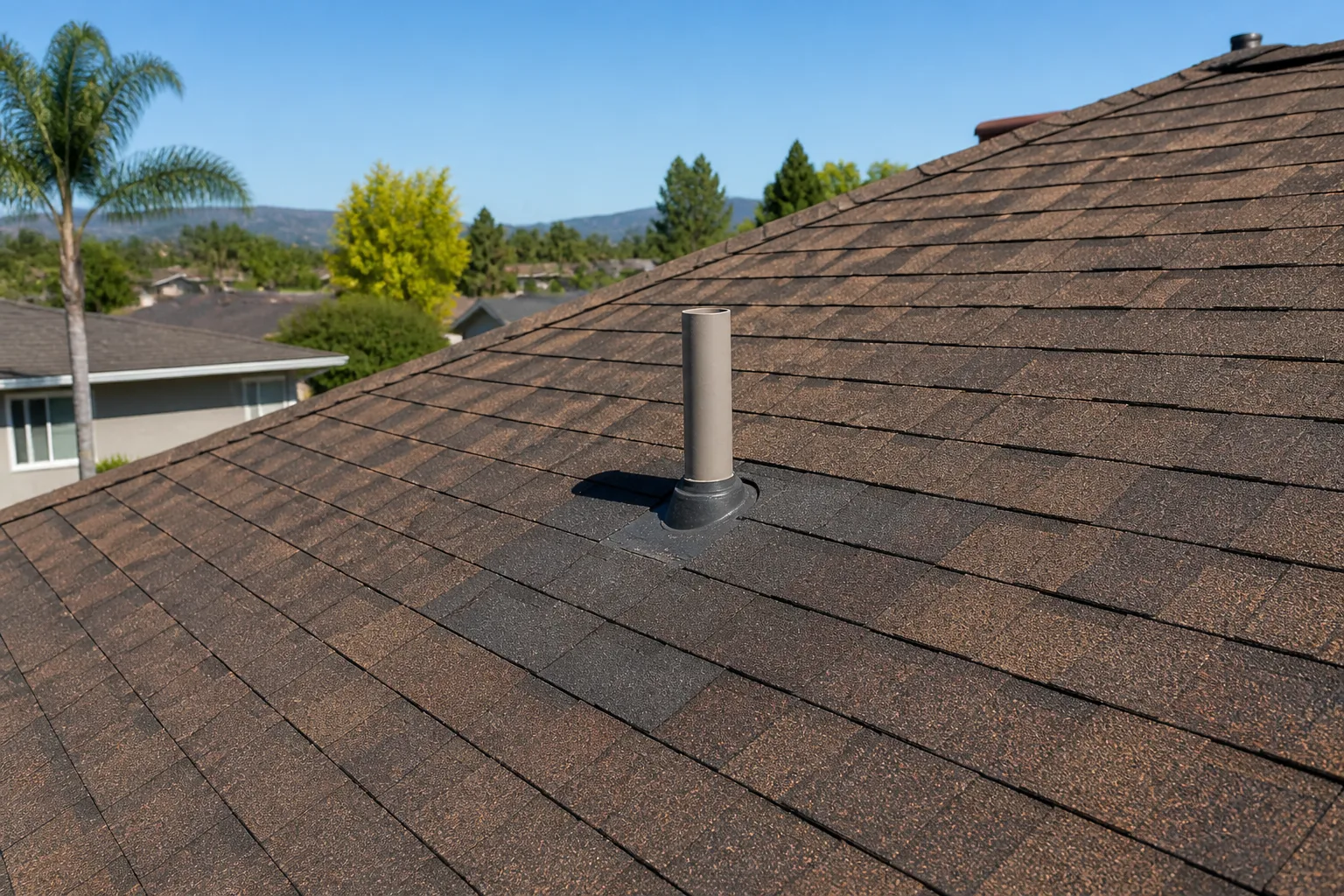
- Minor flashing caulking at low, accessible points. A cracked bead of sealant around a low vent boot can be patched from a ladder without climbing far. Use roofing-rated sealant, not silicone.
- Clearing tree limbs and moss from the surface. A soft brush and a hand broom. Never pressure-wash a shingle roof – it strips the granules and shortens the material’s life.
- Interior leak spotting. Chalk marks and phone photos inside the attic tell a professional where to look, and that’s a real contribution.
Tasks that create liability when you do them yourself
- Any full roof replacement. Structural exposure, permit requirements, warranty voiding – all of it.
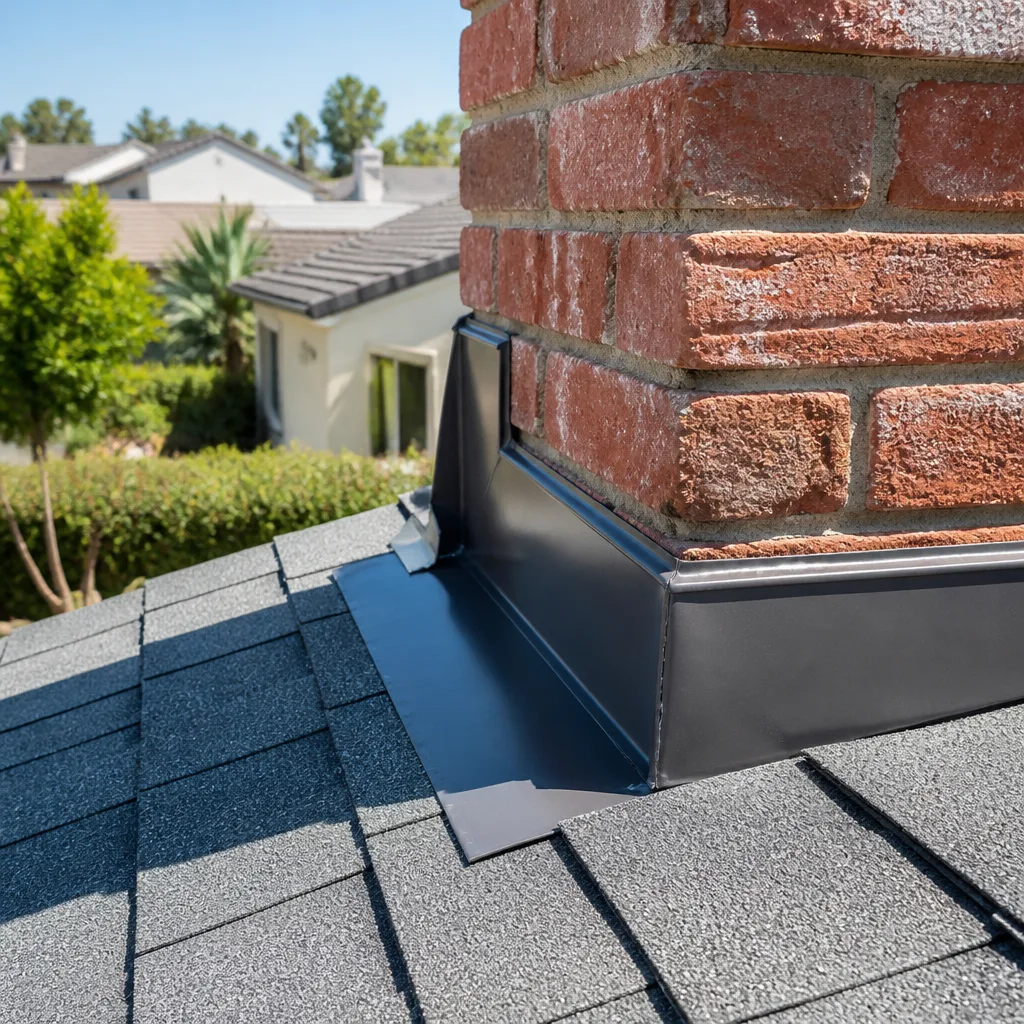
- Flashing at wall junctions, valleys, and chimneys. These are the leak points. Getting them wrong is invisible for years and expensive when it shows.
- Skylight or vent installation. Cutting into a roof deck means structural, sealing, and permit implications that belong to a licensed roofer.
- Anything above a single story. The fall risk is the entire conversation once you’re above the first-floor line. Roof work is genuinely dangerous, and most homeowner injuries happen during “small” repairs.
If you’re in the gray zone – a low-slope area you want to try to re-seal, a small tear you’re not sure about – the right move is a free estimate rather than a guess. A professional will tell you whether it’s worth doing or whether you’d be creating the problem you’re trying to prevent.
The Real Cost Comparison: DIY vs Professional in Folsom
The materials math on a DIY roof is genuinely appealing right up until you add the permit, the dumpster, the disposal fees, your time, and the warranty you gave up. Here’s an honest side-by-side using typical Folsom-area ranges. These are estimates, and the exact number always comes from a written line-item quote on your specific roof.
| Cost line | DIY (owner-builder) | Professional install |
|---|---|---|
| Shingle materials (architectural) | Est. $4,000 – $7,000 typical for a standard roof | Included in install price |
| Tile materials | Est. $10,000 – $18,000 typical for a standard roof | Included in install price |
| Metal materials | Est. $9,000 – $16,000 typical for a standard roof | Included in install price |
| Building permit (owner-builder) | $150 – $450 typical, varies by scope | Pulled by the contractor |
| Dumpster and disposal | $500 – $1,200 typical | Included |
| Underlayment, flashing, fasteners | $600 – $1,500 typical | Included |
| Your labor (torn-off, install, cleanup) | Multiple long days, no warranty | Handled by licensed installers |
| Warranty | Component-only, if any | Manufacturer-backed on materials |
Folsom labor runs on the higher end for our region because it’s a competitive housing market with tight skilled-trade supply. On a full replacement, professional installation typically runs $15,000 – $45,000 depending on material, pitch, and complexity – and that number includes the tear-off, the debris removal, the permit, the inspection, and a warranty that stays with the materials. When you stack the DIY total against that, the gap on a shingle roof closes more than people expect. On tile and metal, where the material itself is the dominant cost, the gap nearly disappears.
That’s the point most homeowners don’t get told: DIY saves real money on a small repair and very little on a full replacement, while costing you the warranties, the insurance coverage, and the resale story. We’ve seen this math play out enough times to say it plainly – the reasonable DIY roof is the small repair, not the full swap.
Why Folsom’s HOA Neighborhoods Add Another Approval Layer
A large share of Folsom homes sit inside an HOA, and that changes the roofing equation before the permit even enters the picture. HOAs control exterior appearance, including the color, material type, and even the profile of your roofing. If you replace your roof yourself, you still need that approval – and no part of an HOA review cares who’s holding the hammer.
Where DIY gets stuck is the sequencing. A typical HOA-covered roof project involves:
- An architectural review application with the specific product you intend to install – brand, color, and material name.
- An approval letter, sometimes with conditions on the visible street-facing side.
- A building permit from the city, pulled after HOA sign-off in most cases.
- Installation to manufacturer specifications so the warranty persists, with HOA inspection at completion in some neighborhoods.
Each of those steps assumes a professional installer’s paper trail. The HOA approval names the product; the manufacturer warranty requires that product be installed by an authorized installer; the city permit and inspection assume a licensed party on the job. Doing it yourself breaks the chain at every step. And in Folsom’s established communities in the eastern and northern parts of the city, the HOA’s own maintenance standards for tile and metal roofs are strict enough that the choice of material is often already made for you by the association.
This is where a specialist helps. Our team works with Boral tile systems and seven name-brand manufacturers – GAF, CertainTeed, Owens Corning, IKO, Atlas, Tamko, and Boral – precisely so the material we propose to your HOA is a product we actually install and warranty. That’s not something a homeowner typically gets to do on their own, and it’s the difference between a project that clears approval and one that stalls in paperwork.
How a Professional Roof Replacement Actually Unfolds
One reason homeowners fear the professional route is the unknown – nobody has explained what actually happens. Here’s the typical sequence on a full replacement in Folsom, from the first call to the last inspection.
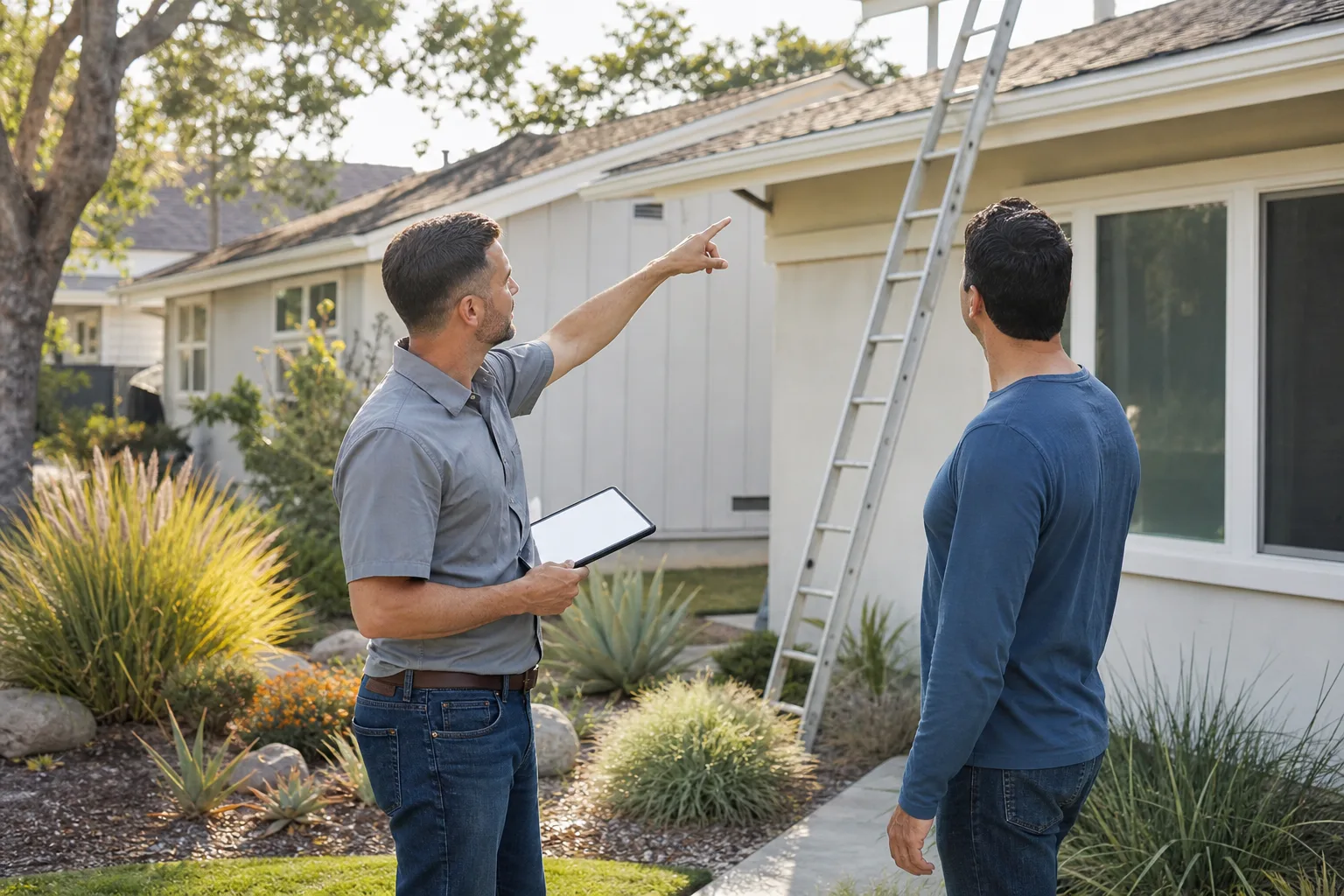
- Free estimate and roof inspection. A roofer walks the roof, measures the deck, checks for existing damage and any soft spots, and produces a written line-item quote. That quote sets the price – no change orders unless the scope genuinely changes, and that gets agreed in writing first.
- Material selection. You review shingle, tile, or metal options with real numbers attached. On a shingle roof, we’ll present multiple manufacturer tiers – GAF and Atlas among them – so the decision is driven by fit and budget, not by what one supplier prefers to push.
- HOA and permit submission. Product documentation goes to the HOA and the city. Both approvals come back before scheduling.
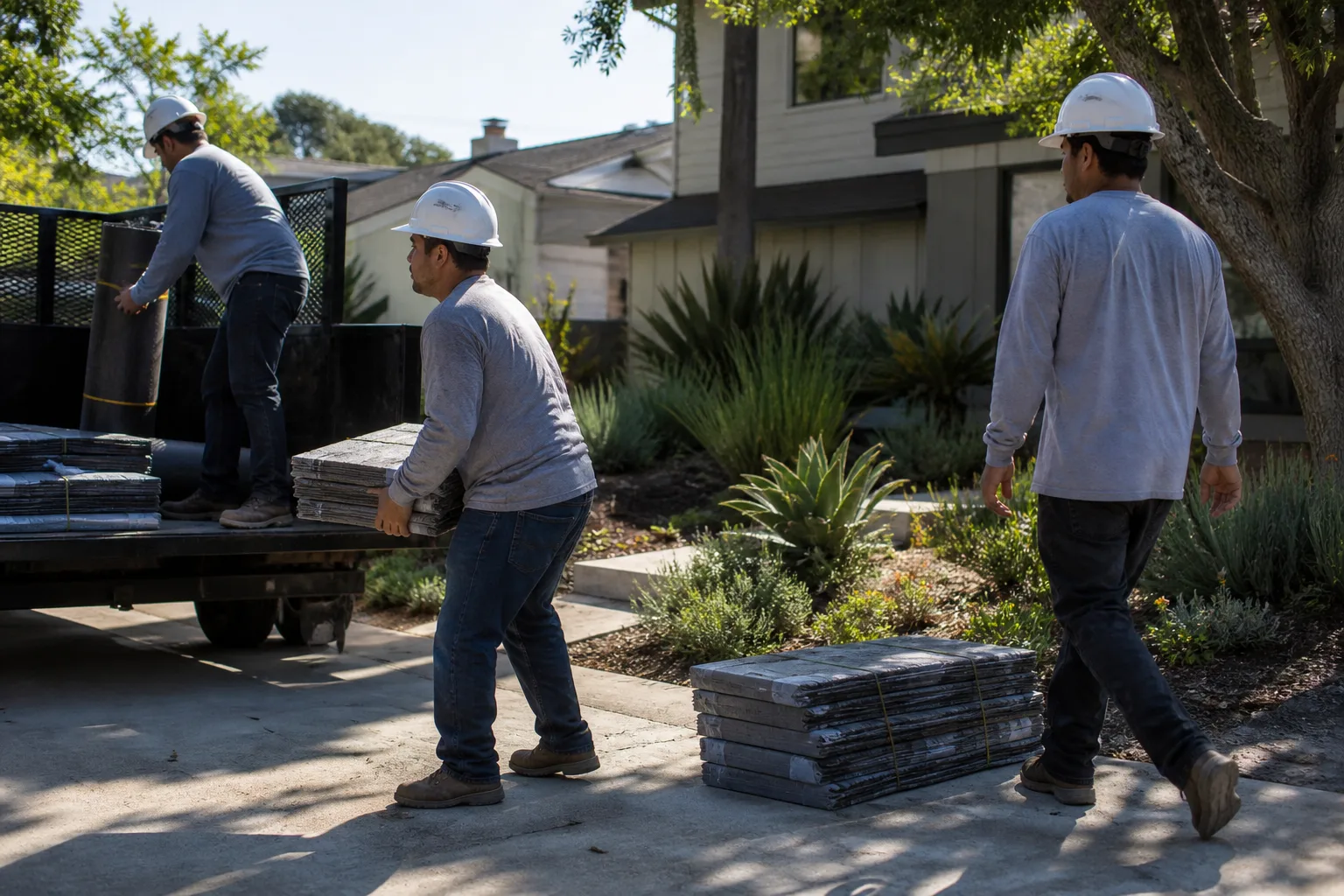
- Tear-off and deck inspection. The old covering comes off, the deck gets inspected, and any rot or damaged sheathing is documented and quoted before it’s replaced.
- Underlayment and installation. This is where the flashing details live – valleys, wall junctions, chimney surrounds, vent boots. These are the parts most invisible to a homeowner and most important to the leak history.
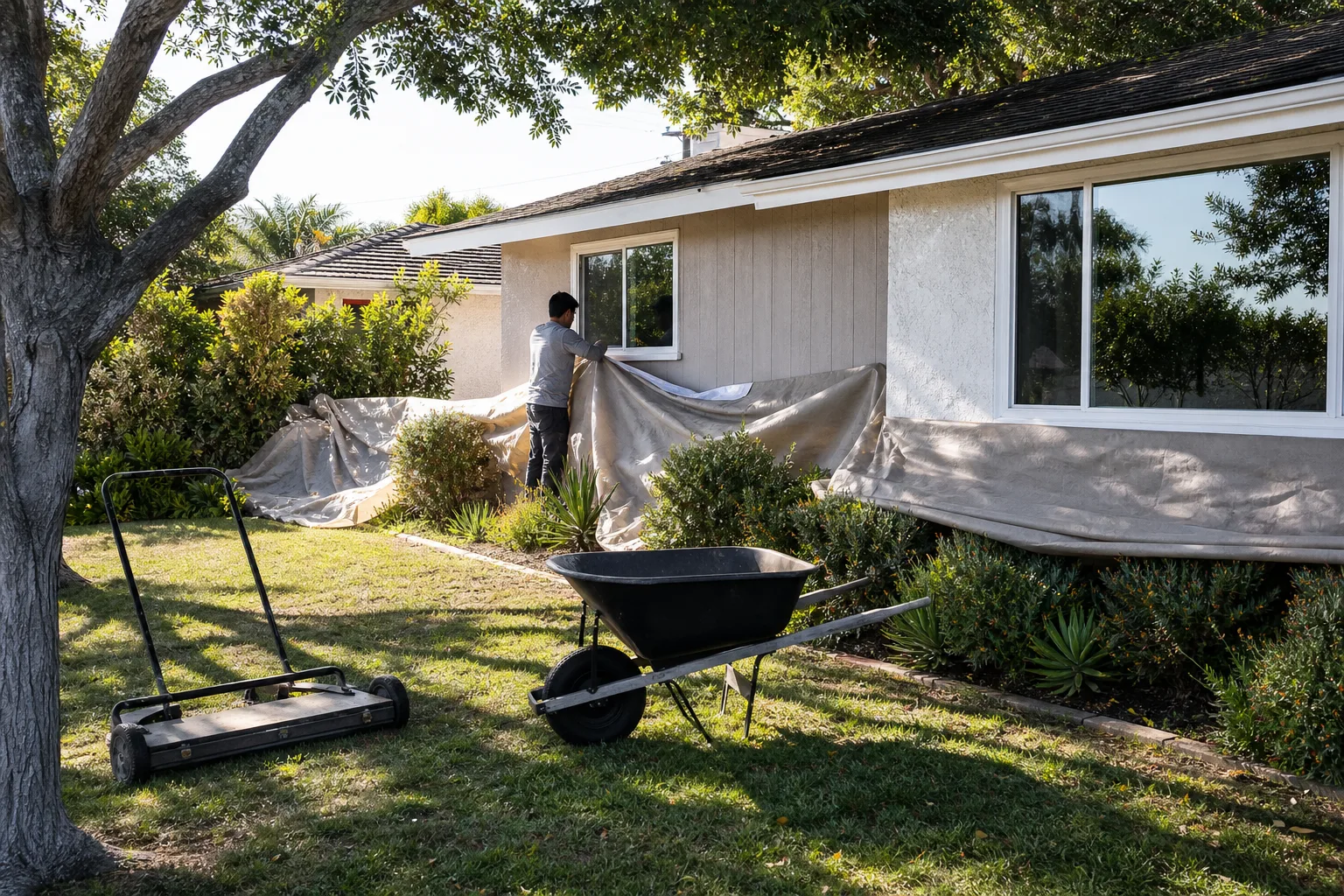
- Final inspection and cleanup. City inspection, magnetic nail sweep, and a final walkthrough. The manufacturer warranty is registered on your behalf.
Most major replacements take several days for the install itself, plus the lead time for permits and materials. There’s no magic in it – just a sequence that keeps the permit, the warranty, and the inspection aligned. A skilled DIY job can match the visual result. It rarely matches the paper trail, and the paper trail is what you’re really buying.
Permits, Inspections, and What They Protect
A roofing permit isn’t just a tax with a stamp. It creates a record that a licensed party did the work, and an inspection line confirming the install met code at the time. That record is what your insurer, your future buyer, and your manufacturer warranty all rely on.
What most homeowners don’t realize is how directly the permit intersects with the warranty. A manufacturer-backed warranty on materials – the kind that comes with the name-brand products we install – typically assumes the installation was performed by a licensed professional to manufacturer spec. Owner-installed product, even installed perfectly, usually falls outside the full warranty and drops to component-only coverage. You keep the shingles’ material coverage; you lose the labor and installation protection entirely.
Inspection also catches what a DIY install can’t self-check: proper deck attachment, correct fastener type and pattern, proper underlayment overlap, and venting that matches the roof’s design. These details determine performance in a real rainstorm. Folsom’s climate is mild by California standards, but the wet-season storms we do get are hard on badly vented, poorly flashed roofs. An inspection is the only mechanism that verifies those details before the water does.
If you’re considering an owner-builder permit, call the city’s building department first and ask exactly what scope requires a permit and what will be inspected. Then call us for a free estimate so you can compare the two routes with real numbers on the table. The comparison is what makes the decision.
Choosing Between Shingle, Tile, and Metal
Material choice is the most important long-term cost decision on any roof, and it’s the one most homeowners rush. Each of the three main systems behaves differently here, and the right answer depends on your home’s age, pitch, HOA rules, and how long you plan to stay.
Shingle roofing
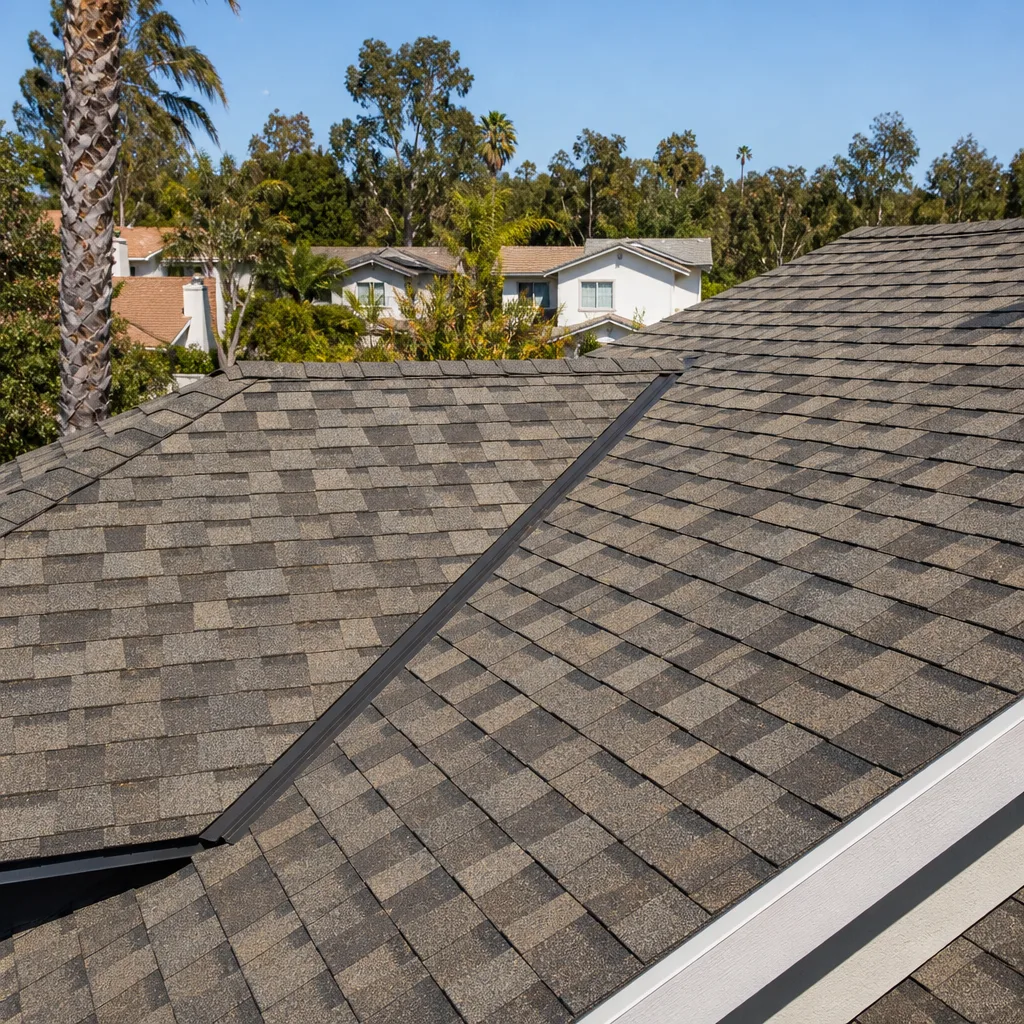
The most common choice in Folsom and the most flexible on budget. Architectural shingles from GAF, Atlas, or Tamko in a mid-tier line give you solid performance at the lowest installed cost. Look at the warranty length, the manufacturer’s wind rating on the specific product, and the installer’s own workmanship coverage. The low end of the price range is almost always a thinner shingle that costs more to replace in the long run.
Tile
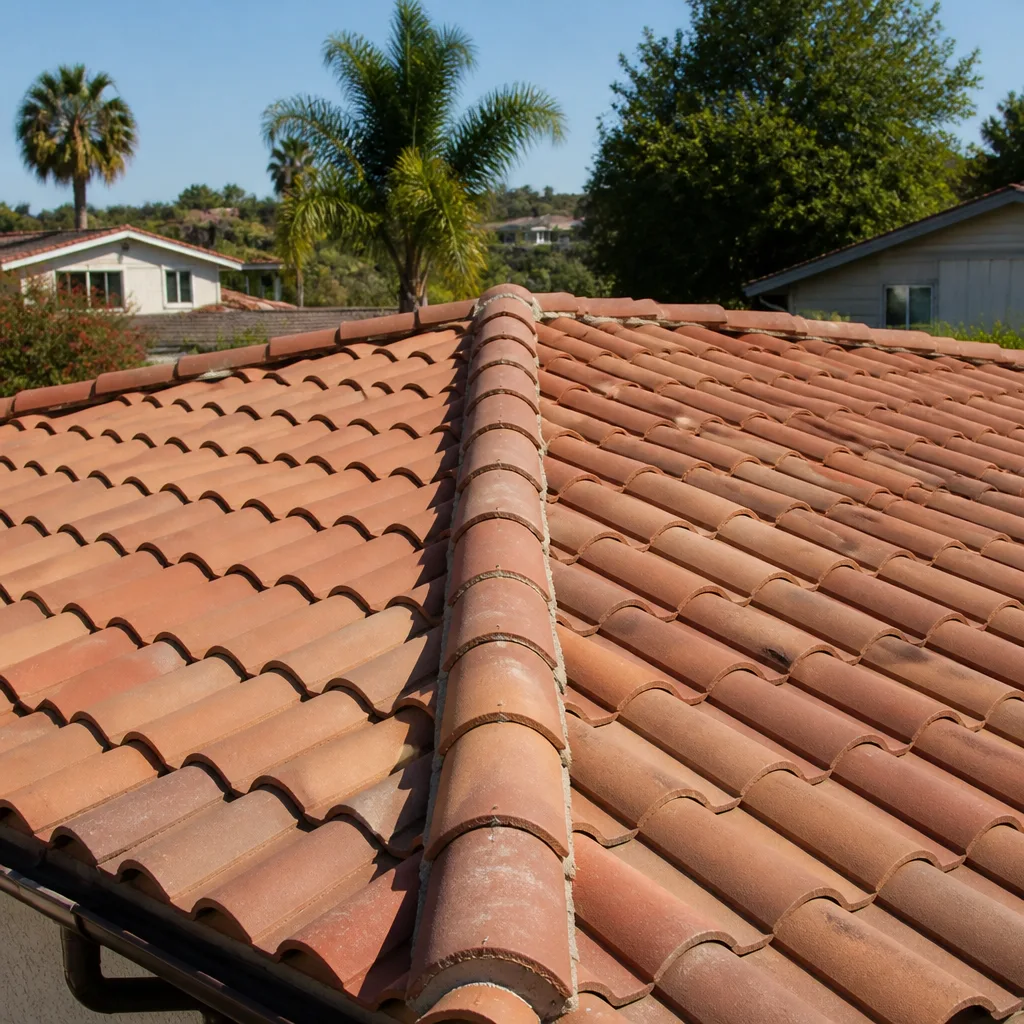
Tile is the material that fits Folsom’s established neighborhoods best, especially where HOA standards already call for it. Boral tile systems run longer and heavier, but they last decades and hold their color. Tile also requires the right deck and underlayment – tile is a material system, not just a product – which is why shingle-first roofers often don’t handle it well. Ask any roofer you interview how many tile installs they’ve completed. If the answer is vague, that’s your answer.
Metal
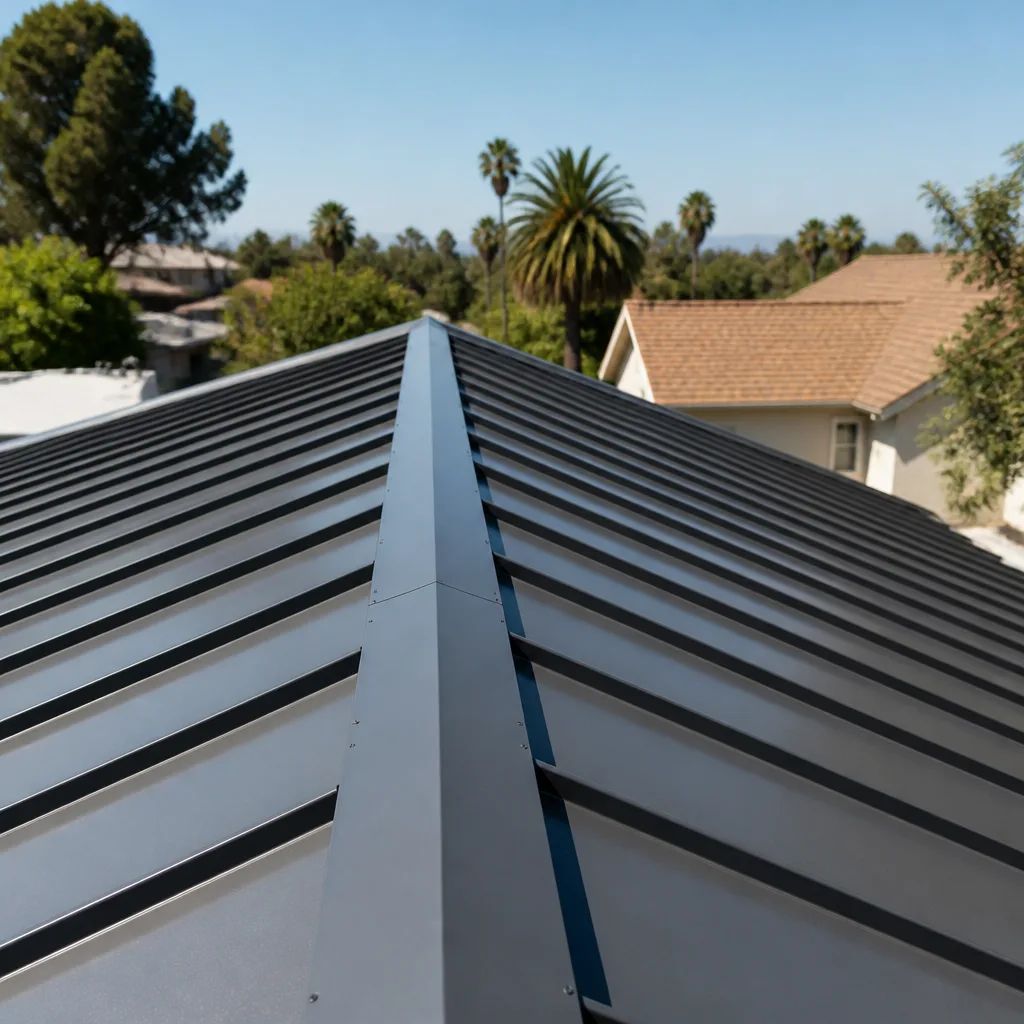
Metal is the premium option, and it earns that in durability and energy performance. Standing-seam systems are the most common high-end choice, with panels and finishes from CertainTeed and Owens Corning forming a strong lineup. Metal’s main obstacle is HOA approval and the fact that the panel profile you choose can’t easily be changed later. Get the approval first, then the material.
We install all three systems, which means we can show you real options and honest trade-offs across the price tiers. It’s a different conversation than a single-supplier pitch, and it’s the one most homeowners actually want.
Common Mistakes to Avoid
- Assuming “permit-free” means “fine.” In Folsom, most full roof replacements require a permit. Doing the work without one creates a resale disclosure problem even if the work itself is excellent.
- Ignoring the HOA before you buy materials. Buying tile or metal that your HOA won’t approve is an expensive mistake. Get the architectural review letter first, then the product.
- Believing the DIY insurance gap is theoretical. It’s not. The gap becomes real the first time you file a claim on a leak near the self-repaired area.
- Choosing the cheapest shingle in the manufacturer’s catalog. The lowest-priced line is usually the shortest-lived product. Compare warranty terms and wind ratings across the tier, not just the price.
- Hiring a roofer who’s a general contractor first. A contractor who’s done a handful of roofs as part of other work lacks the focused experience a full replacement demands. Roofing-only specialists run a tighter process.
- Skipping the deck inspection. Tearing off the old covering and installing new product over damaged sheathing wastes the whole job. Insist that the deck gets inspected before reinstalling.
- Pressure-washing a shingle roof. It strips the granules and shortens the material’s life. Soft brushing or gentle cleaning is the right approach.
See the difference
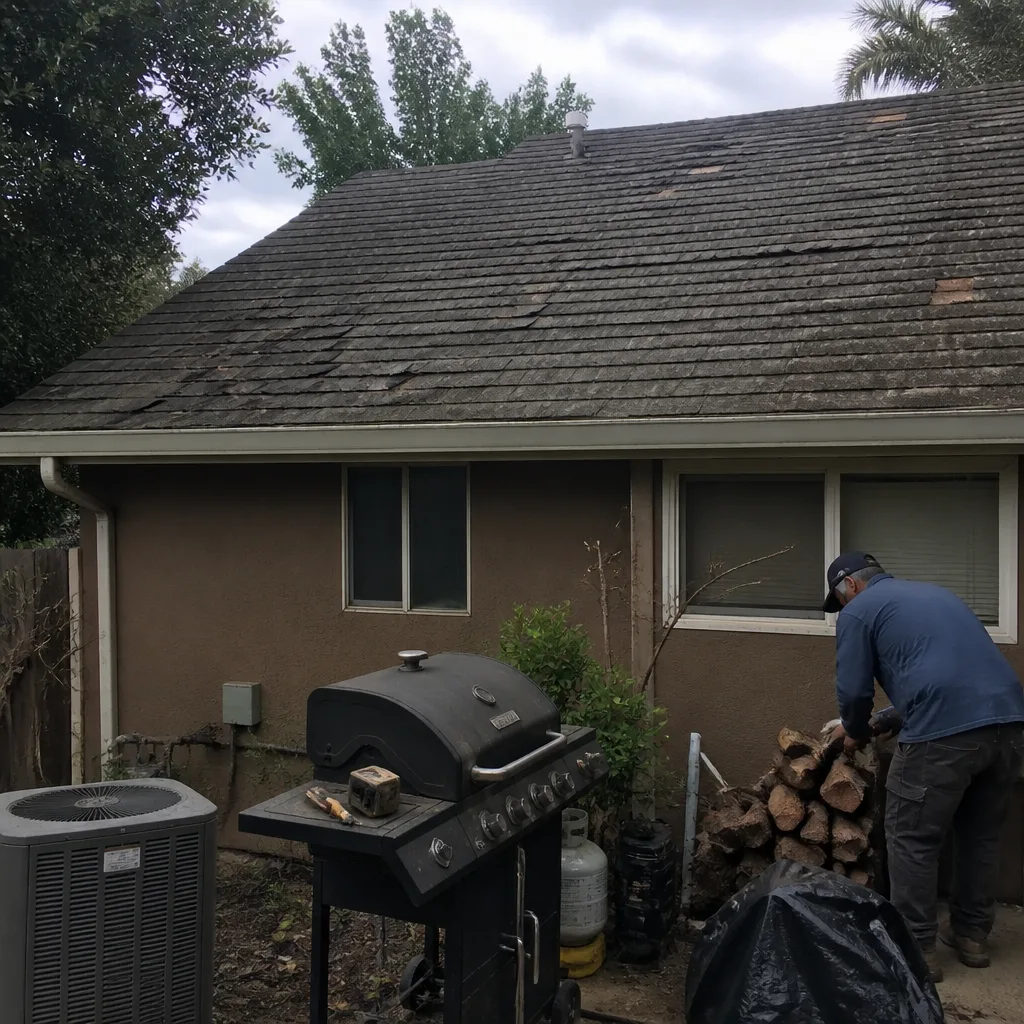 Before
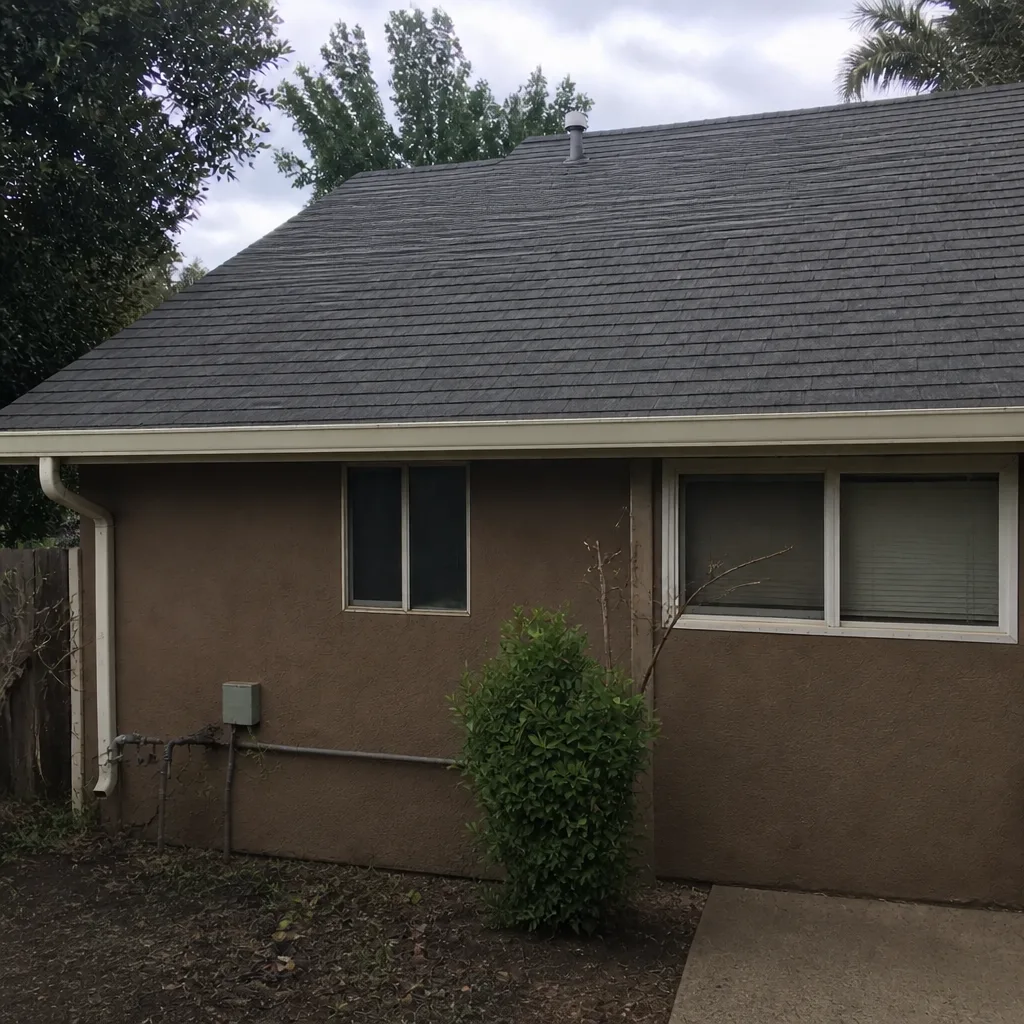 After
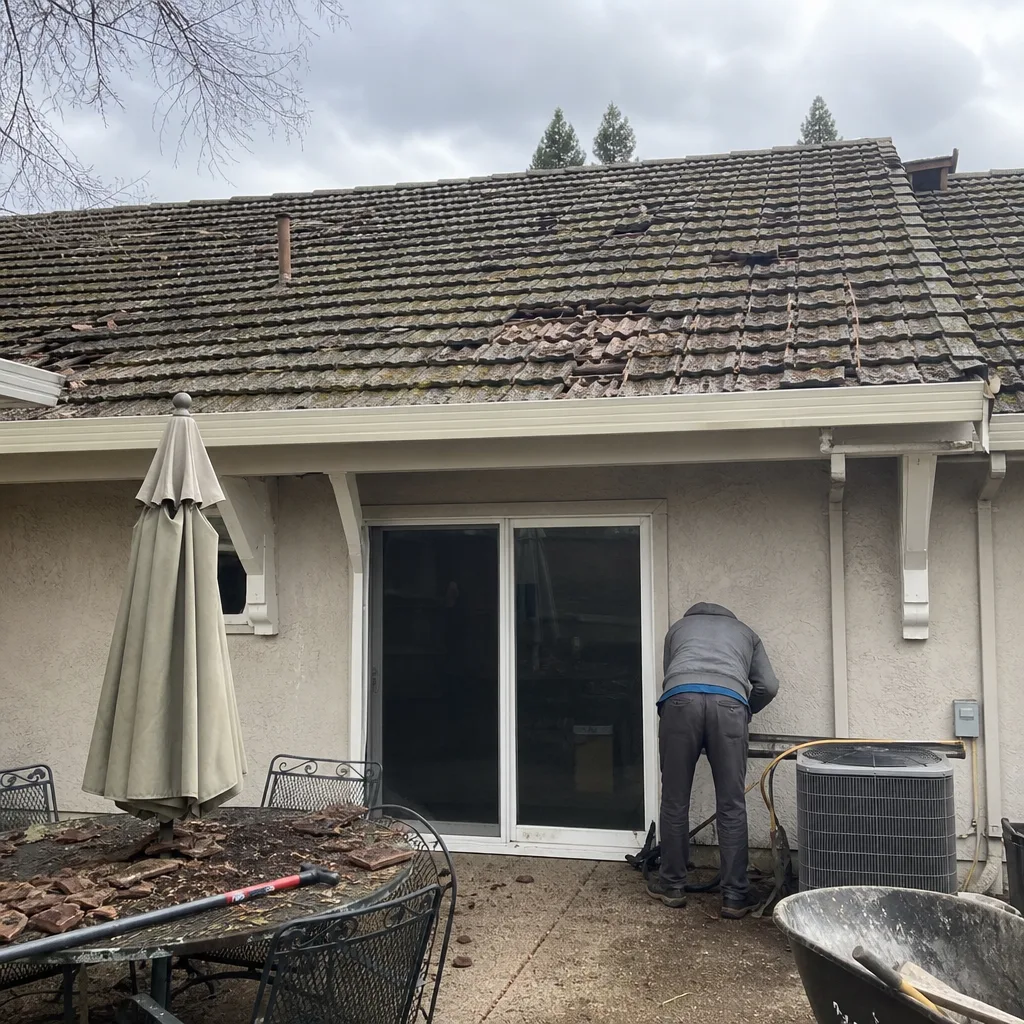 Before
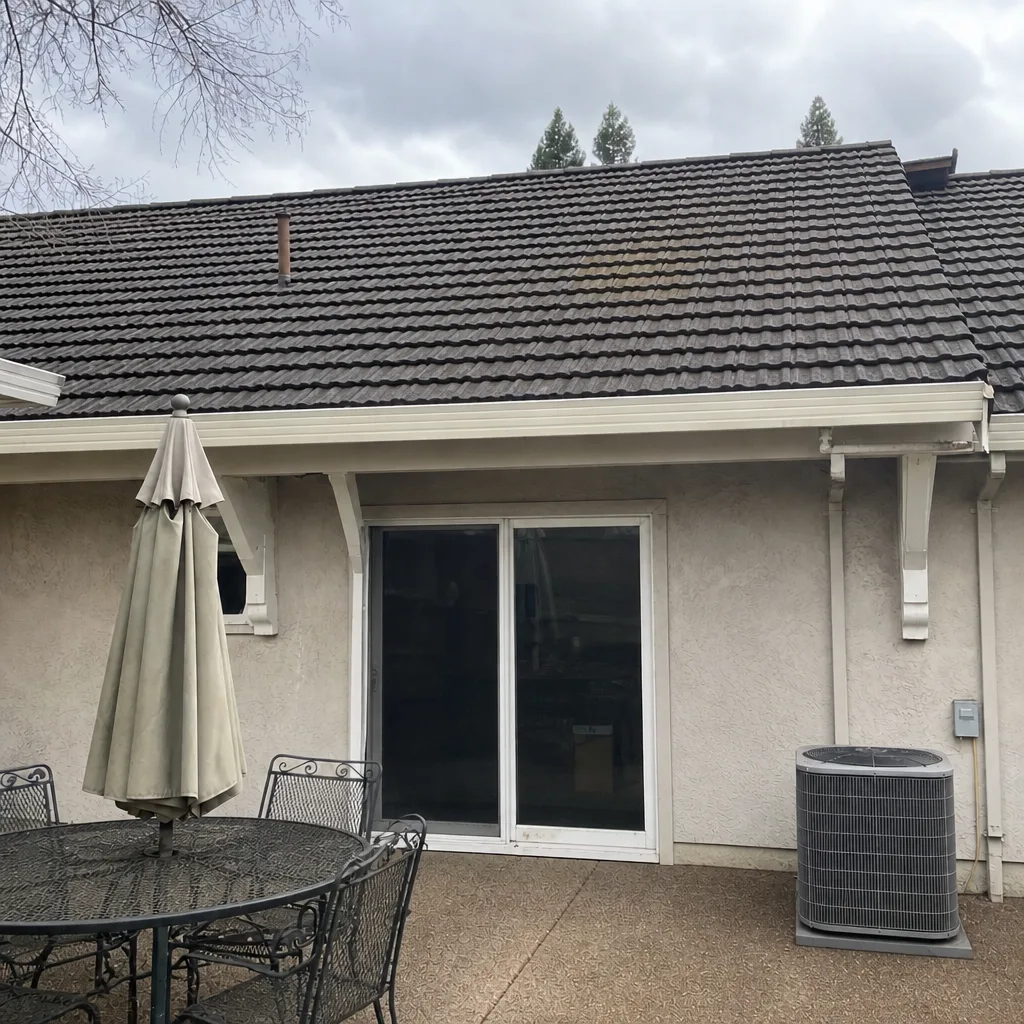 After
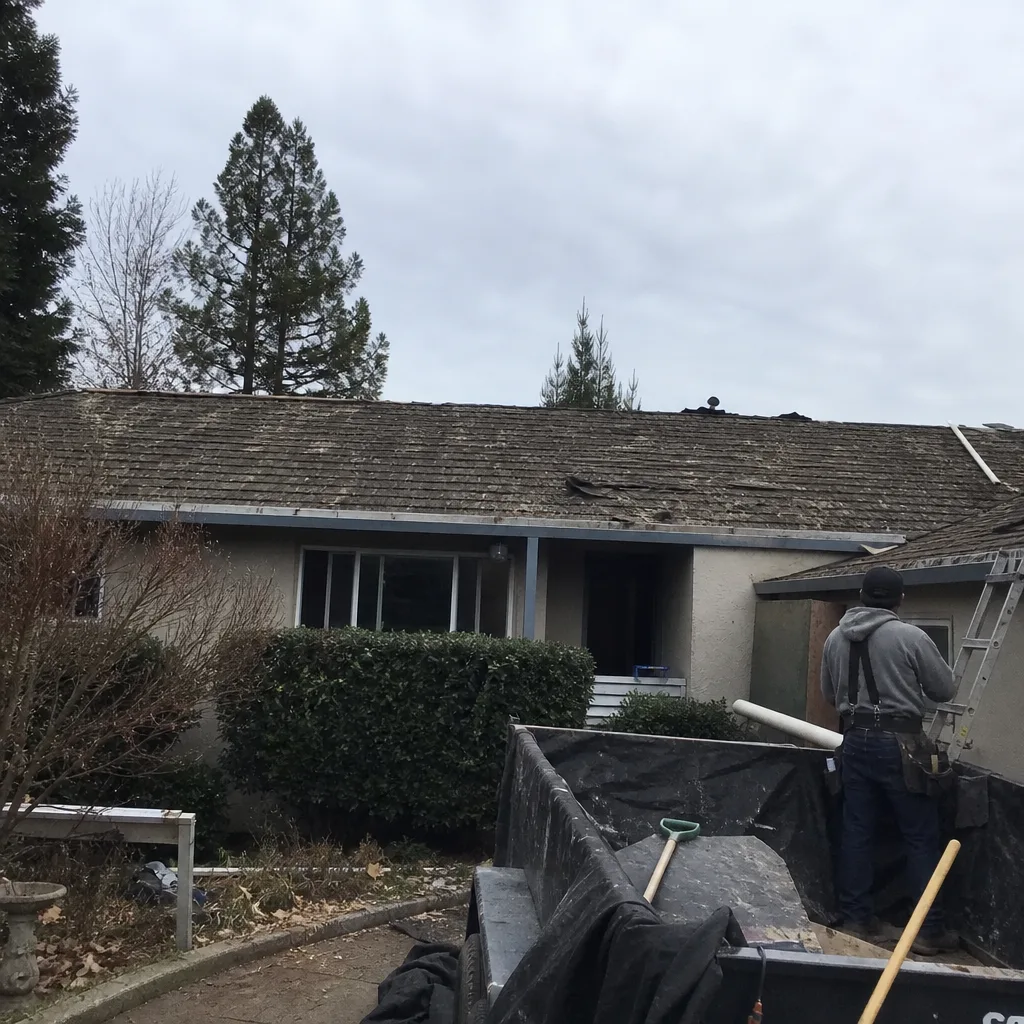 Before
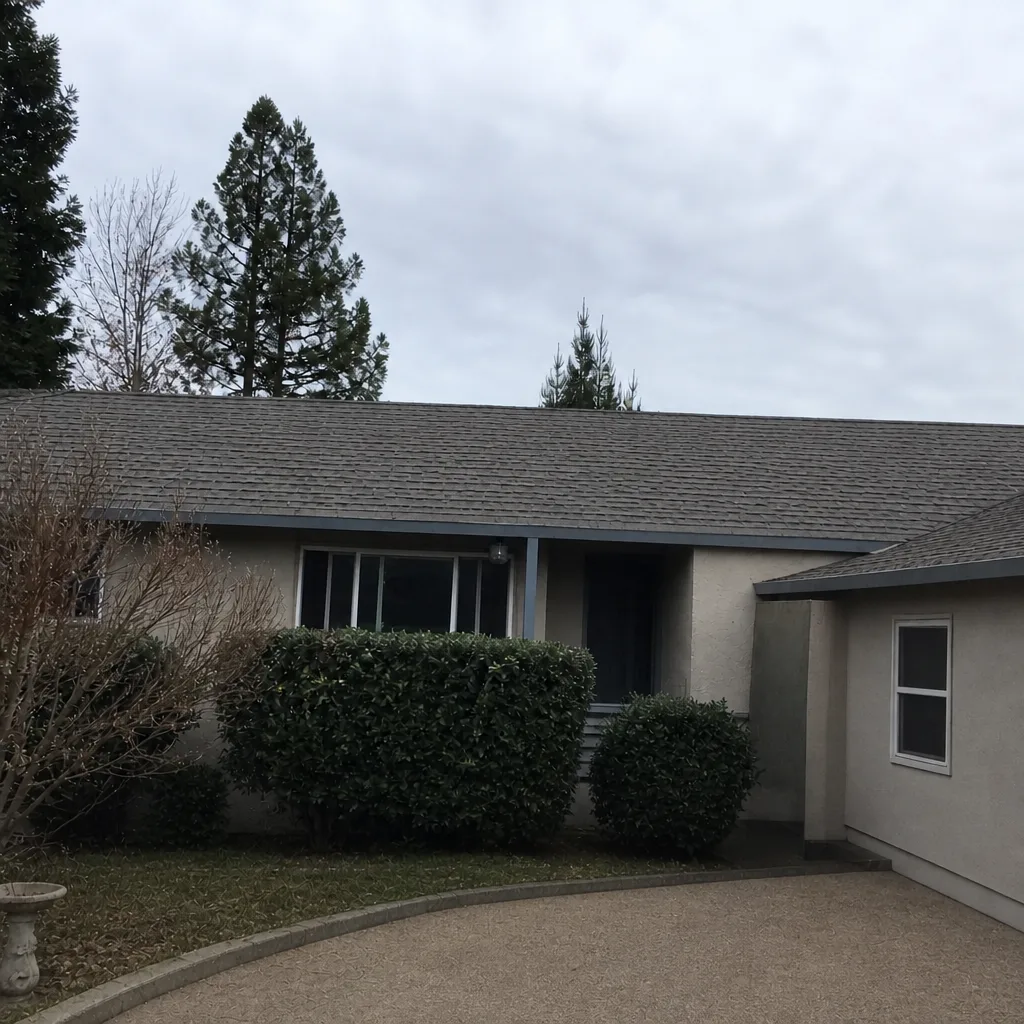 After
When to Call a Professional
Call a professional whenever the work involves a permit, a full replacement, structural sheathing, flashing at any wall junction or valley, anything above the first floor, or any roof inside an HOA. Those are the cases where the insurance gap, the warranty, and the resale disclosure all line up and the DIY math stops working. Call a professional if you’re considering a full roof replacement – the labor and materials math flips once you add the permit, disposal, and warranty factors, and the process is more straightforward than the DIY route. Call a professional if you’re planning a new roof installation on new construction, where a licensed install is required and manufacturer warranties apply from day one. And call one if your roof need is anywhere in shingle roofing scope and you’re weighing a do-it-yourself attempt against a full install – a free estimate will settle the comparison faster than weeks of research.
Folsom Roofing Pros offers free estimates in Folsom – call (279) 321-0981. Our technicians have up to 10 years of experience, we work with seven name-brand manufacturers, and we install shingle, tile, and metal systems under manufacturer-backed warranties. One crew, one call.
Frequently Asked Questions
Yes, with conditions. California allows a homeowner to take out an owner-builder permit for roofing on a residence they own and occupy, but most cities – Folsom included – require a permit for a full replacement, and that work becomes a required disclosure when you sell. The permit is legal; the insurance and resale complications are what you’re accepting. For a full replacement, we’d recommend the professional route every time. Call (279) 321-0981 for a free estimate and an honest comparison.
Yes, often. Policies typically exclude or reduce coverage for work performed by the homeowner without a licensed contractor, especially where a future leak traces back to that work. An adjuster will ask who did the install, and if there’s no licensed party or permit on the record, coverage can be denied or reduced. A licensed professional install protects the coverage you’re already paying for.
Gutter cleaning, granule-loss documentation, minor caulking at low and accessible flashing points, surface debris removal, and interior leak spotting. Those are the safe DIY tasks. Anything involving a full replacement, structural decking, skylights, chimneys, valleys, or a second-story roof should go to a professional – the fall risk and the leak risk are both real.
Typically between $15,000 and $45,000 depending on material, pitch, and complexity, with tile and metal running higher than architectural shingle. That number includes the tear-off, disposal, permit, inspection, and manufacturer-backed warranty. We provide free written line-item estimates so the number is specific to your roof before you commit.
Very unlikely. HOAs review the material, color, and manufacturer spec of the roof and typically require a licensed installer’s documentation in the approval process. The approval itself doesn’t care who’s holding the hammer, but the documentation chain almost always requires a professional. Get the HOA approval letter in hand before buying any material.
In most cases, yes. Full roof replacements typically require a permit from the city’s building department, and the exact scope varies by job. Call the city to confirm the requirement for your specific roof, and if a permit is needed, the contractor should pull it. That permit is what your insurance and your future buyer will look for.
The Bottom Line
The DIY roofing question in Folsom isn’t about whether you can swing a hammer. It’s about liability, warranty, insurance, and what happens when your home changes hands. Small tasks – gutter cleaning, granule photos, low flashing touch-ups – are yours to handle. Anything requiring a permit, a warranty, or structural work should go to a licensed professional who pulls the permit, passes inspection, and backs the install with a manufacturer warranty. The cost gap on a full replacement is smaller than most homeowners expect, and the protection you get back is what makes the professional route the safer financial decision.
We install all three roofing material systems – shingle, tile, and metal – with products from GAF, CertainTeed, Owens Corning, IKO, Atlas, Tamko, and Boral. Replacement or new build, we’ll show you the real options and give you a written line-item estimate. Folsom Roofing Pros is a roofing specialist, not a general contractor dabbling in roofing, and we treat your roof as the one part of your home that protects everything else. Call (279) 321-0981 for a free estimate. We answer 24/7. Fast dispatch from 7am to 7pm, Sunday through Friday.
Written by the team at Folsom Roofing Pros.